Shadow boxing combos that actually teach you something
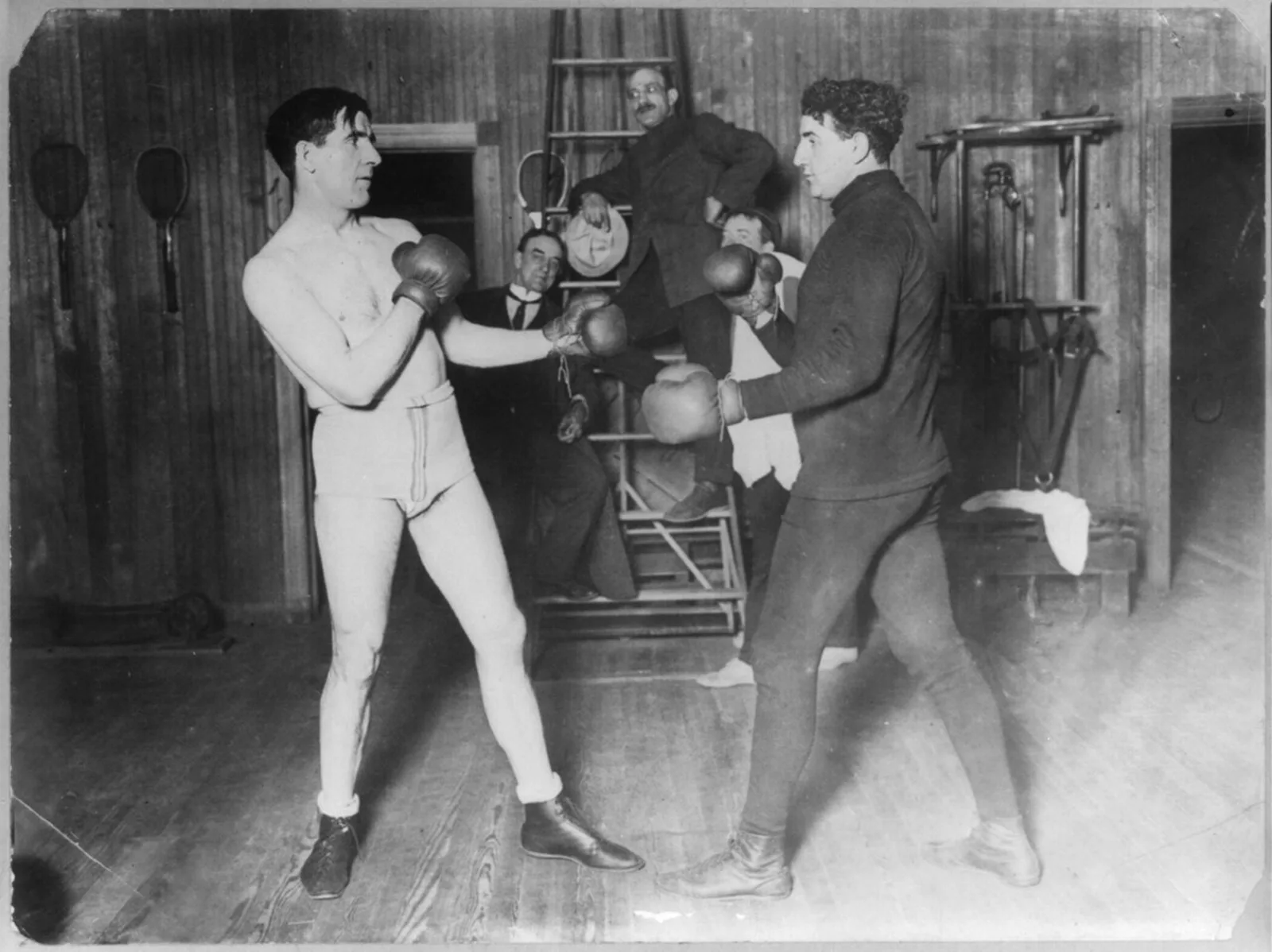
If you’ve been shadow boxing for a while and it’s started to feel like just waving your arms in front of a mirror, that’s usually because there’s no combo behind it. A few shadow boxing combos, practised on purpose, turn the same round into something that actually changes how you move. If you want the full shadow boxing meaning and why coaches rely on it for more than a warm up, that’s covered there.
TL;DR: pick four or five combos, do them slowly before you do them fast, and give each one a full round rather than mixing them all together. The mirror is there to show you your feet as much as your hands.
What makes shadow boxing combos worth doing
A combo is worth practising if it teaches you something a single punch can’t. A jab on its own tells you almost nothing about your feet. A jab followed by a cross tells you whether your hips turn on the second punch, and whether your feet are still under you when it lands.
So before picking combos, decide what you’re actually checking. Are your hands coming back to your face. Are your feet resetting after every exchange. Is your chin tucked when you throw the second punch, not just the first. Pick a combo that puts that one thing under pressure, and you’ll get more from ten reps than from fifty thrown at random.
Four combos to start with
Jab, cross. The simplest one and still the one most people get wrong, because they let the jab hand drop after it lands. Throw it, bring it straight back to your cheek, then turn the back hand and hip together for the cross.
Jab, cross, hook. Same start, then bring the lead hand back around as a hook rather than resetting to guard first. The hip does most of the work here. If your feet stop moving during the hook, that’s the fault this combo is built to show you.
Jab, jab, cross. Two jabs at slightly different heights or distances, then the cross. This one is about rhythm rather than power, since the point is breaking a predictable one-two pattern before the real punch lands.
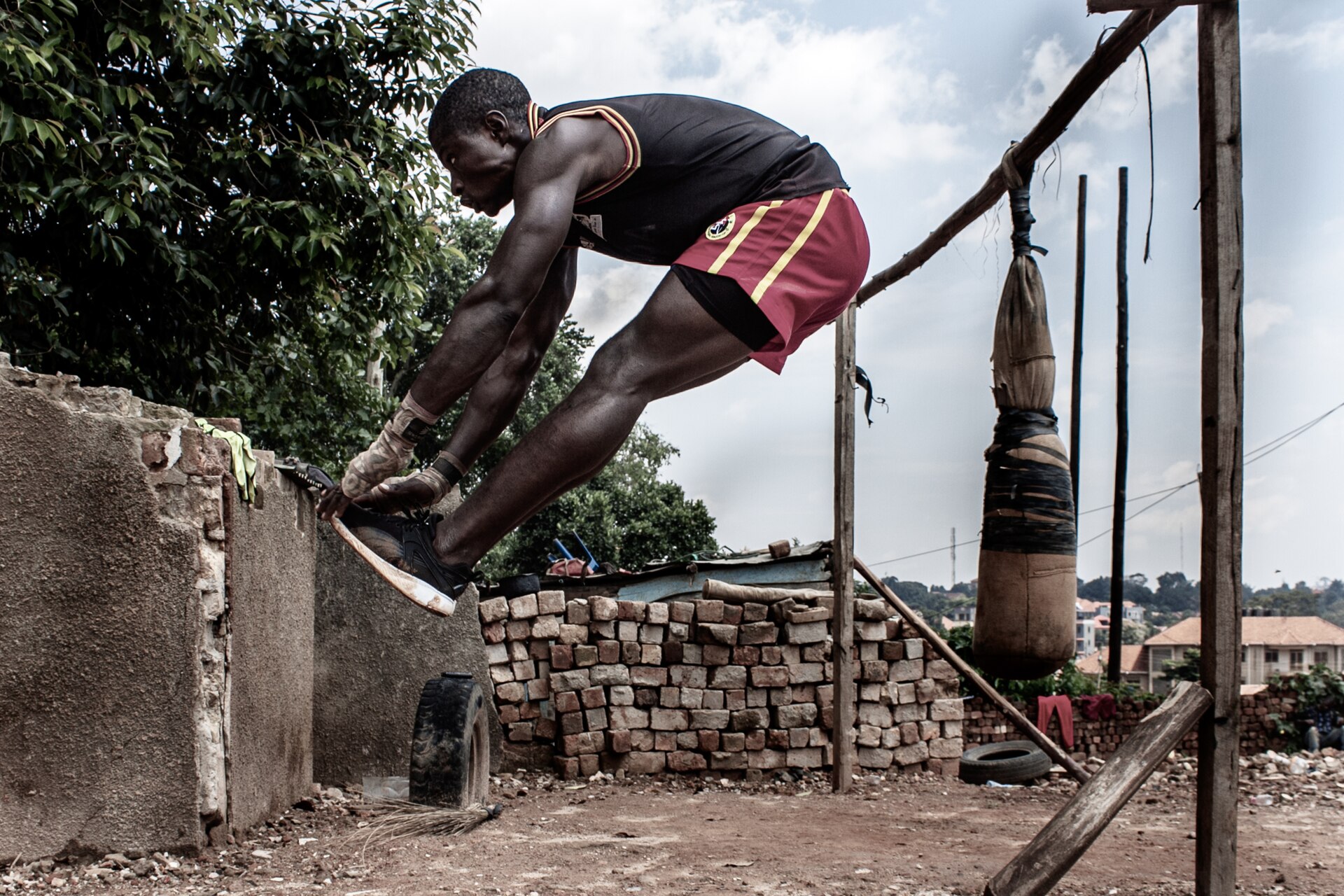
Slip, cross. Slip your head off the centre line as if a jab just missed you, then come back with a straight cross. Most people either forget to move their feet during the slip or throw the cross before they’ve actually recovered their balance. Do this one slowly for longer than feels necessary.
Doing the same combo for a whole round
Pick one combo and stay on it for the whole three minutes rather than cycling through all four. Repetition is what makes a combo change how you move by instinct rather than by thinking about it mid-exchange, and mixing combos every thirty seconds mostly just practises switching, not the combo itself.
Give each round a single thing to check, the same way you would for footwork or a single punch. “Hands back to guard every time” is a fine job for a whole round. “Feet reset after the hook” is another. If you can’t answer honestly whether you did it by the end of the round, you weren’t actually checking, you were just punching air.
How fast should you go?
Slower than feels necessary at first. A combo done slowly with your chin down, your feet moving and your hands returning to guard is worth more than the same combo thrown fast with none of that in place, because speed just makes the fault harder to see and easier to keep.

Once a combo holds together slowly for a full round, add speed a little at a time. If the same fault comes back the moment you speed up, that’s not a sign to push through it, it’s a sign to slow back down for another round.
Shadow boxing combos without a mirror
A mirror helps, but it isn’t required. Without one, picture somebody standing in front of you at the height your combo is built for, and aim every punch at a fixed point on them rather than at the general idea of a person. Vague targets produce vague punches, and that shows up as much in a combo as it does in a single shot.
Filming yourself on a phone does most of what a mirror does and shows you things a mirror won’t, because you’re watching after the fact rather than trying to throw the combo and judge it in the same second. Thirty seconds of any of the combos above, watched back, is usually enough to see the one thing you’re actually doing wrong. It’s rarely the thing you’d have guessed.
Either way, keep the target consistent. Moving an imaginary opponent’s height or distance halfway through a round teaches your body to guess rather than to measure, and measuring distance is most of what separates a combo that lands from one that doesn’t. It’s a small discipline and it’s the one most people skip, usually because nobody ever pointed out that they were doing it.
Where this fits with everything else
Shadow boxing combos are the cheapest, lowest-risk version of what you’re practising everywhere else, from pad work to actual sparring. If a combo falls apart in the mirror, where nobody is even trying to hit you, it was never going to hold up with a pad holder moving, let alone with somebody swinging back. That’s the whole case for taking a few minutes of it seriously rather than treating it as the bit before the real training starts.
If you’re building a full session around this rather than just adding it to whatever else you do, our guide to boxing training at home walks through how to structure a full round-by-round session, and our piece on the southpaw stance is worth a read if you throw these combos the other way round. Something you can move your arms freely in matters more here than almost anywhere else, since a sleeve that pulls across the shoulder on the hook is the kind of thing you’ll only notice mid-combo. Our Athletic range is a spandex blend at 160 to 200 GSM, cut close enough that the sleeve stays where it is when your hands come back.
Slow, technical combos like these are a different job from a fitness session built around the same movements. If the goal that day is a raised heart rate rather than fixing a fault, our guide to boxing for fitness at home covers how to run the same combos at a pace that keeps you moving instead.
Common questions
How many shadow boxing combos should you learn?
Four or five is plenty. The point isn't a big list, it's throwing the same few combos until your feet and hands move together without you thinking about it.
Should you shadow box slow or fast?
Slow first, always. A combo you can't do slowly with good form is one you'll do badly at speed. Add speed once the shape is right, not before.
Is shadow boxing actually useful, or is it just warming up?
It's useful on its own, not just a warm up. It's the only time nobody is holding pads for you or standing in front of you, so it's where you fix things you'd never notice mid-round.
How long should a shadow boxing combo session be?
Three or four rounds of three minutes each is enough, with a full minute of rest between them. Past that you're usually just repeating fatigue rather than practising anything.