Boxing for fitness at home, and how to do it right
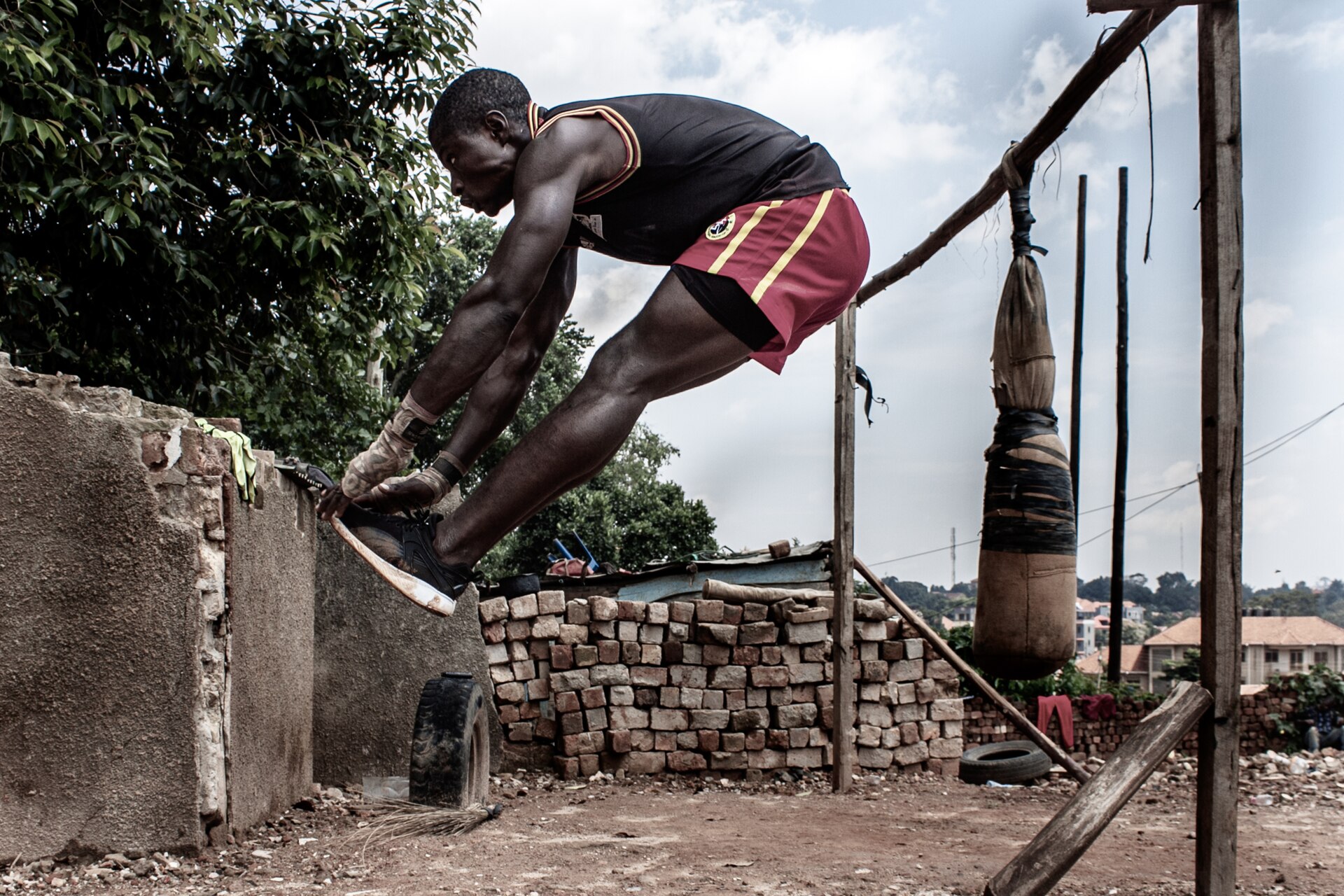
If you’re looking to use boxing for fitness at home, the difference from learning to box properly is smaller than you’d think, but it changes what a session should look like. You’re not building toward sparring. You’re building toward a heart rate that stays up for half an hour and a body that can still hold decent form by the end of it.
Where people usually go wrong is copying a skills-focused session and expecting a fitness result from it. Slow rounds built around one technical fix are the right way to learn to box. They’re a poor workout, because the whole point of a technique round is going slowly enough to think about what your hands and feet are doing.
TL;DR: structure a fitness session around continuous work, not slow technical rounds. Shorter rests, more rounds, and combinations you can already throw rather than new ones you’re still learning. Twenty five to thirty minutes is enough if you keep moving through it.
Why boxing for fitness at home actually works
A round of boxing asks your legs to keep shifting your weight, your core to rotate behind every punch, and your shoulders and arms to stay up near your face the whole time, even when they’re not throwing anything. That’s a lot more of your body working at once than a treadmill or a bike asks for, where your upper half is mostly just along for the ride.
The other part is the stop-start rhythm. A round that mixes movement, jabs, combinations and short bursts of speed keeps asking your heart rate to climb and hold rather than settle into one steady pace. That’s closer to interval training than to a jog, which is a large part of why a boxing-style session can feel much harder than its length suggests.
How is boxing for fitness different from boxing training?
Both use the same rounds and the same rest between them. The difference is what you do inside the round.
A training round often works on one thing at a time, deliberately slow: keeping your hands up after the jab, or turning your back foot on the cross. Going slowly is the entire point, since a fault you can’t fix slowly won’t fix itself at speed.
A fitness round drops that. You use combinations you’ve already got, thrown at a pace you can sustain for the whole round rather than the pace you’d use for one sharp exchange. The technical work still matters. It just belongs in a different session, not this one, because trying to learn and trying to keep your heart rate up pull against each other.
A fitness-focused session to try
Six rounds of three minutes, with a minute of rest, comes out to around half an hour. Keep the rest genuinely restful rather than shortening it to squeeze in more work, since the point of the round is continuous effort and that only holds if you’re not still tired from the last one.
Round one, footwork and shadow combinations. Move constantly and throw whatever combinations you already know without stopping between them, or borrow a few from our shadow boxing combos if your list is short. No new technique tonight.
Round two, faster feet, same combinations. Same work, quicker pace. Your form will get looser as you speed up. That’s fine here, since this round is chasing your heart rate, not your technique.
Round three, add levels. Duck under an imaginary shot between combinations, or drop into a slip. Anything that gets your legs bending changes the round from arms-only to full body.
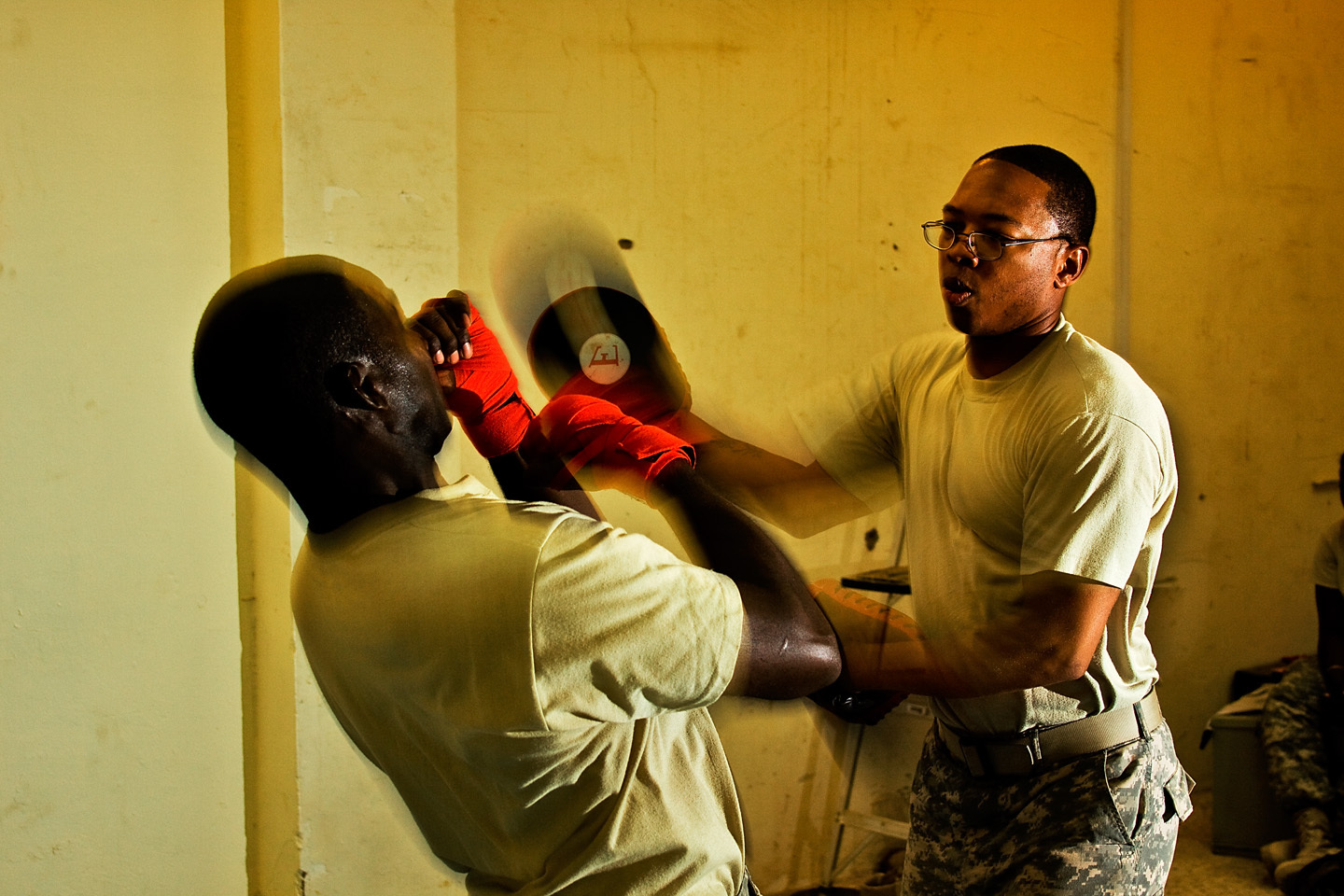
Round four, skipping or running on the spot. Steady pace, not flat out. This is the round that keeps the whole session from being all arms.
Round five, back to combinations, faster still. By now your shoulders will want to drop between punches. Fight that rather than accepting it, since a tired guard is exactly what a fitness round is training you out of.
Round six, whatever’s weakest. More footwork if your legs quit first, more combinations if your arms did. Ending on your own weak point is worth more than ending on a strong one.
Keep the rest short enough to matter
A minute of rest is standard and it’s there for a reason: long enough to recover, not long enough to fully cool down. If you catch yourself sitting down between rounds, the rest has gotten too comfortable. Stand, walk, and keep your legs loose instead.
The same goes for checking your phone between rounds. It’s an easy way to turn a sixty second rest into three minutes without noticing, and the whole session loses its shape once that happens. Set a repeating timer that runs on its own and put the phone somewhere you’re not tempted to look at it.
How hard should it actually feel
Hard enough that talking in full sentences gets difficult by the second half of a round, easier again once you’re back to resting. If you can chat comfortably the whole way through, the pace is closer to shadow boxing for technique than to a fitness round, and it’s worth pushing the combinations faster or cutting the gaps between them shorter. If you’re gasping before the round is a minute in, that’s a sign to slow down rather than stop. A fitness session that ends after two rounds because the first two were too fast teaches you less than six rounds you can actually finish.
What you actually need
Floor space and a timer, same as for skills-focused training at home. A skipping rope is the first thing worth buying, because round four turns into proper work rather than jogging on the spot. Nothing else is essential for a fitness session specifically. A bag adds resistance and a target, which is worth having eventually, but it changes what the session trains rather than how hard it is.

Wear something you can move your arms and hips in freely. Our Athletic range is cut close for exactly this, and there’s more on what actually works in our guide to what to wear for boxing. Whatever you choose, test it by throwing a few punches and dropping into a stance before the session starts, not mid-round.
Where boxing for fitness at home runs out
It won’t teach you distance, timing or how to take a punch, because none of those exist without somebody actually in front of you. That’s fine if fitness is genuinely the goal. It’s worth knowing early if it isn’t, so you’re not surprised three months in that you’re fit but still couldn’t hold your own in a sparring session.
What it will give you is real cardiovascular work, a stronger core from the rotation every punch asks for, and the discipline of finishing rounds you didn’t want to finish. That last one carries over to almost everything else.
Common questions
Is boxing for fitness actually a good workout, or just a novelty?
It's a real one. You're moving your feet, throwing your arms and rotating your core for the length of the round, which is a lot closer to a full-body circuit than most gym cardio machines get you. The catch is that it only works as a workout if the session is built for continuous effort rather than for learning a new move.
How is boxing for fitness different from boxing training?
Training rounds slow down on purpose so you can fix one thing at a time. Fitness rounds keep moving, using combinations you can already throw without thinking about them, so your heart rate stays up instead of dropping every time you stop to check your form.
How many boxing fitness sessions a week is reasonable?
Three works well for most people starting out. Your shoulders and hands need the days off between sessions more than your legs or your lungs do, so a fourth day is better spent skipping or running than throwing more punches.
Do you need a bag for a boxing fitness workout at home?
No. Shadow boxing at a steady, continuous pace raises your heart rate just as well as hitting something does, as long as you keep moving rather than resting between every combination. A bag adds resistance later, not the cardio itself.