What to wear for boxing
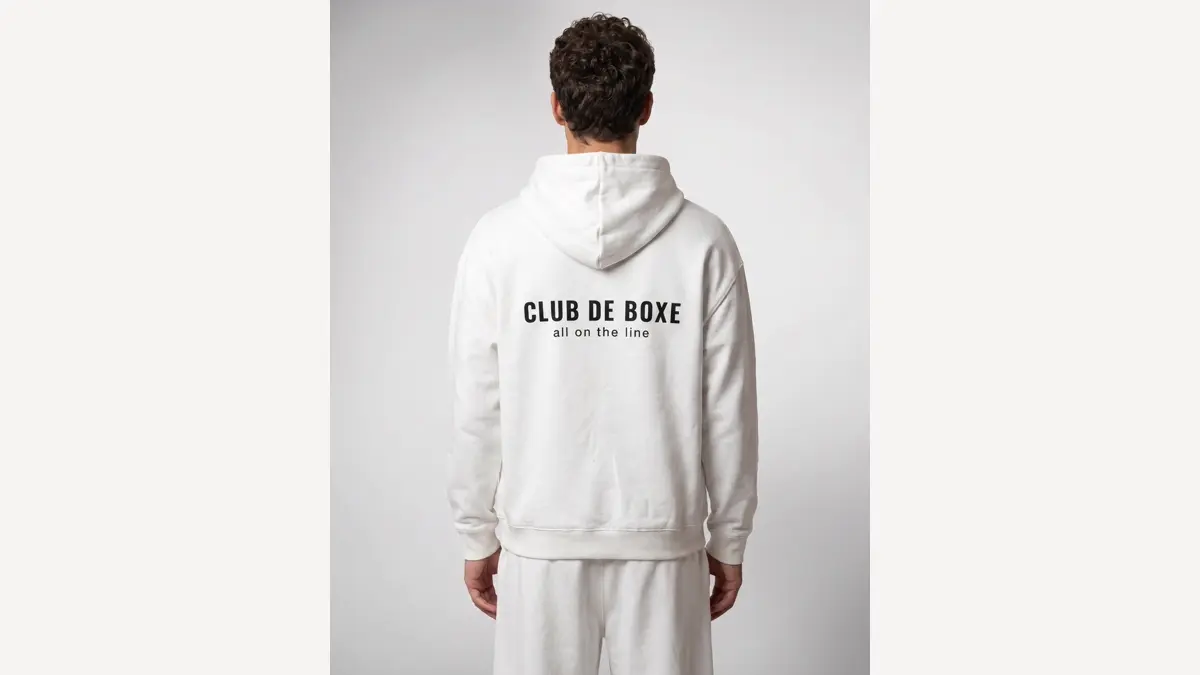
If you’ve booked a first class and you’re wondering what to wear for boxing, the honest answer is that you probably already own it. A t-shirt you can lift your arms in, shorts or joggers that don’t grab at the knee, and flat trainers.
Most of what gets sold as essential for a beginner isn’t, and the two things you genuinely can’t train without are usually the two things the gym will hand you.
TL;DR: message the gym and ask about loan gloves and wraps, because nearly all of them have both. Then wear something you can raise your arms fully in, something that doesn’t pull at the knee, and clean flat trainers.
What the gym gives you and what you bring
Gloves and hand wraps are the two things you can’t box without. They’re also the two things you shouldn’t buy yet.
TITLE Boxing Club, one of the bigger class chains, says on its own first-class page that gloves and wraps are required, that it sells them at the club if you don’t own a pair, and that a coach will wrap your hands for you before your first session. Most independent gyms work the same way, with a loan pair behind the desk.
So send the gym a message before you go and ask two things. Do you have loan gloves, and will someone wrap my hands. Almost every gym says yes to both, which leaves you with one job.
The top half
You’ll be warm within about four minutes and soaked by twenty. An hour of boxing produces more sweat than most people expect, because your arms are above your heart for most of it.
Two things matter more than anything on the label.
The first is that you have to be able to lift your arms fully. Try it in front of a mirror before you leave. Raise both hands to your temples like you’re covering up, then throw two slow punches. If the hem rides up to your ribs or the shoulder seam digs in, that shirt will bother you for an hour. A relaxed cut works and so does a proper compression cut. A slim-fit casual t-shirt often doesn’t.
The second is fabric weight, and here a number tells you more than an adjective. Weight is measured in GSM, grams per square metre. Our Athletic range sits at 160 to 200 GSM in a spandex blend, cut close so nothing catches when your hands come back. Our Essentials range runs heavier, 260 GSM for the sleeveless t-shirt and 400 to 460 GSM for the sweatshirts and hoodies, in cotton and a relaxed fit.
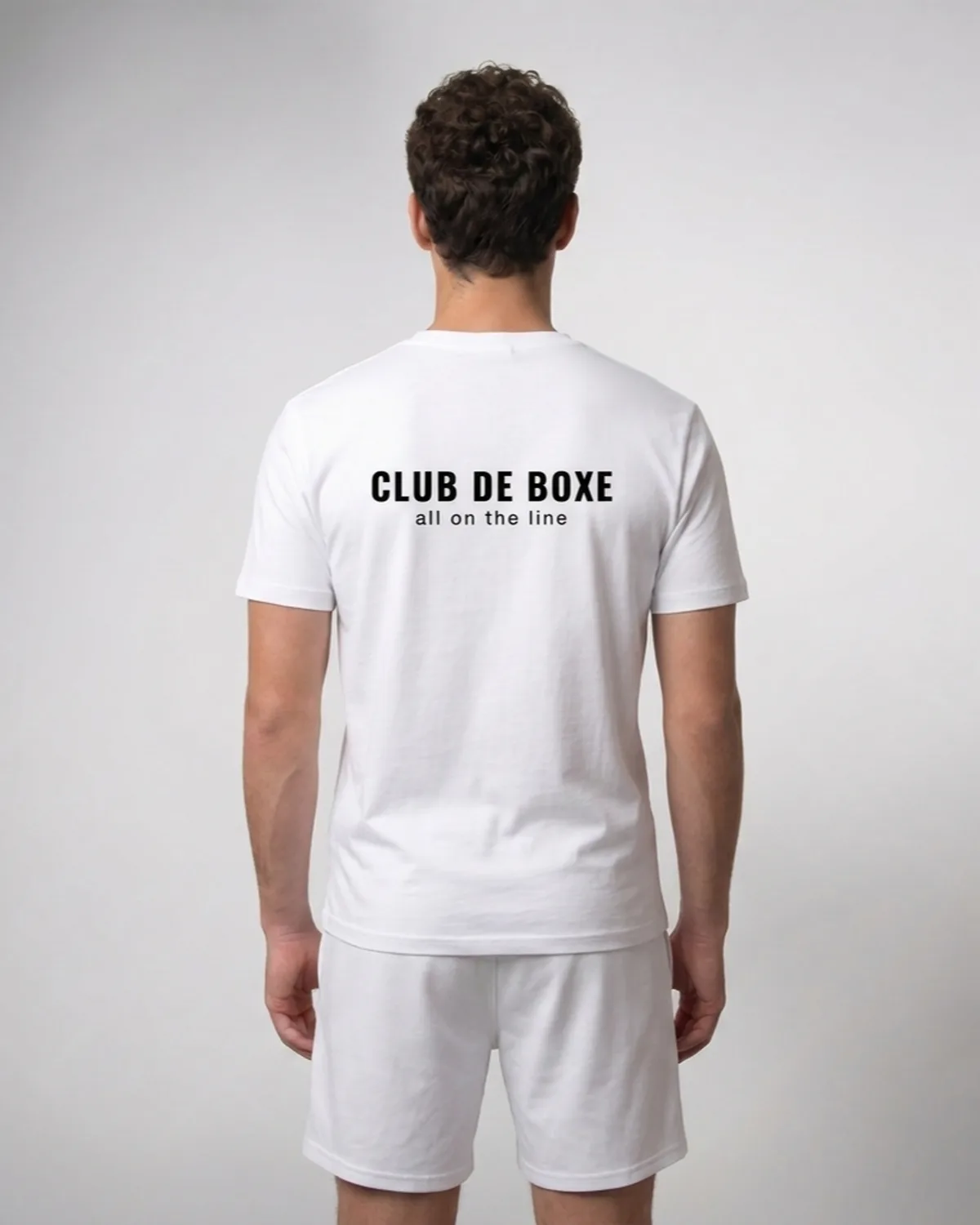
That split is how we’d use them. The Athletic pieces are for the round itself. The Essentials pieces are for the walk in, the warm-up and the walk out, and they’re cut to wear outside the gym too.
The bottom half
Shorts or joggers, and the only real test is the knee. Boxing footwork is short, constant and sideways. You pivot on the ball of your foot and your knees stay soft the whole time, so anything that pulls across the thigh when you drop into a stance will pull a thousand times in an hour.
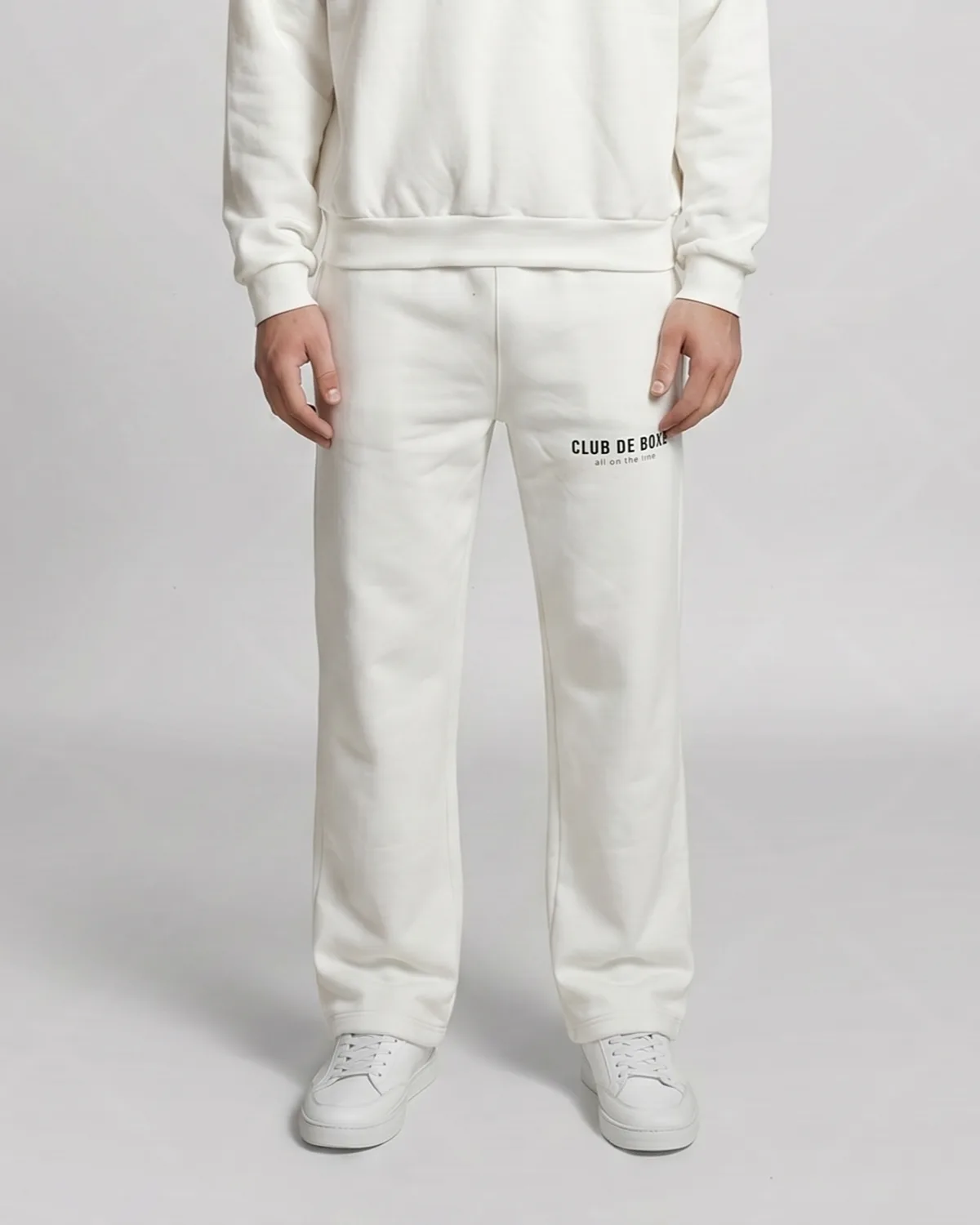
Loose or straight cuts both work. Our shorts are a loose fit at 460 GSM and the sweatpants a straight leg at the same weight, which is heavier than typical gym wear and holds its shape instead of clinging as it warms up. Plenty of people train in leggings and that’s fine too.
Skip anything with a zip pocket on the hip. You’ll land on it during bag work, or a partner will, and it’s the sort of thing you only notice once.
Your feet
Flat and grippy, and that’s the whole requirement to begin with. The common mistake is a running shoe, because the thick heel and soft midsole are built to absorb impact travelling forwards, while boxing asks you to turn on the ball of your foot. A raised cushioned heel makes that pivot feel vague.
Anything flat-soled you can turn in will do. Bring a clean pair rather than the ones you walked in with, since most gyms want street dirt kept off the mats.
Does the fabric actually matter?
Less than you’d think, and it’s worth knowing before you spend money.
The usual line is that synthetic wicks and cotton kills. A 2022 review in Sports Medicine - Open by Di Domenico, Hoffmann and Collins looked across the studies comparing natural and synthetic sports clothing in the heat, and found that few of them showed a significant difference in body temperature, comfort or performance. Some favoured polyester on thermal comfort. Others found lower core temperature, skin temperature and heart rate in cotton. The authors were clear about the limits too, since most of the testing used moderate intensity and mild conditions.
So fit and weight are what will change how your session feels. The fibre is a preference.
What to skip for now
A full kit bag bought before your third class is the most common beginner purchase and the one people regret most. Wait until you know you’re staying.
Your own gloves are the first thing worth buying, and only once you’ve been often enough to be sure. Everything else can wait behind that. If you’re also training between classes, our guide to boxing training at home covers what to do with the sessions in between, and knowing whether you’re orthodox or southpaw costs nothing at all.
What to wear for boxing, in short
- A top you can raise your arms fully in. Test it before you leave.
- Shorts or joggers that don’t pull at the knee.
- Flat trainers, clean, with a sole you can pivot on.
- Ask the gym about loan gloves and wraps. Almost all of them have both.
- Buy nothing else until you’ve been six times.
Boxing has a lower barrier to entry than almost any gym sport. The kit that matters is borrowed on day one and the clothing that matters is probably already in a drawer, so turn up in something you can move in and let the first session tell you what you actually need.
Common questions
What should I wear to my first boxing class?
A top you can raise your arms fully in, shorts or joggers that don't pull at the knee, and clean flat trainers. Test the top in front of a mirror before you leave.
Do I need to buy gloves and wraps before my first class?
Usually not. Most gyms keep loan gloves behind the desk and a coach will wrap your hands for you. Message them first and ask.
Are running shoes okay for boxing?
They're the common mistake. The thick cushioned heel is built for going forwards, and boxing asks you to turn on the ball of your foot, which feels vague on that sole.
Is cotton or synthetic better for boxing training?
It matters less than people think. A 2022 review in Sports Medicine - Open found few significant differences between them on body temperature, comfort or performance. Fit and fabric weight change how a session feels far more than the fibre does.