Shadow boxing meaning, and where the word comes from
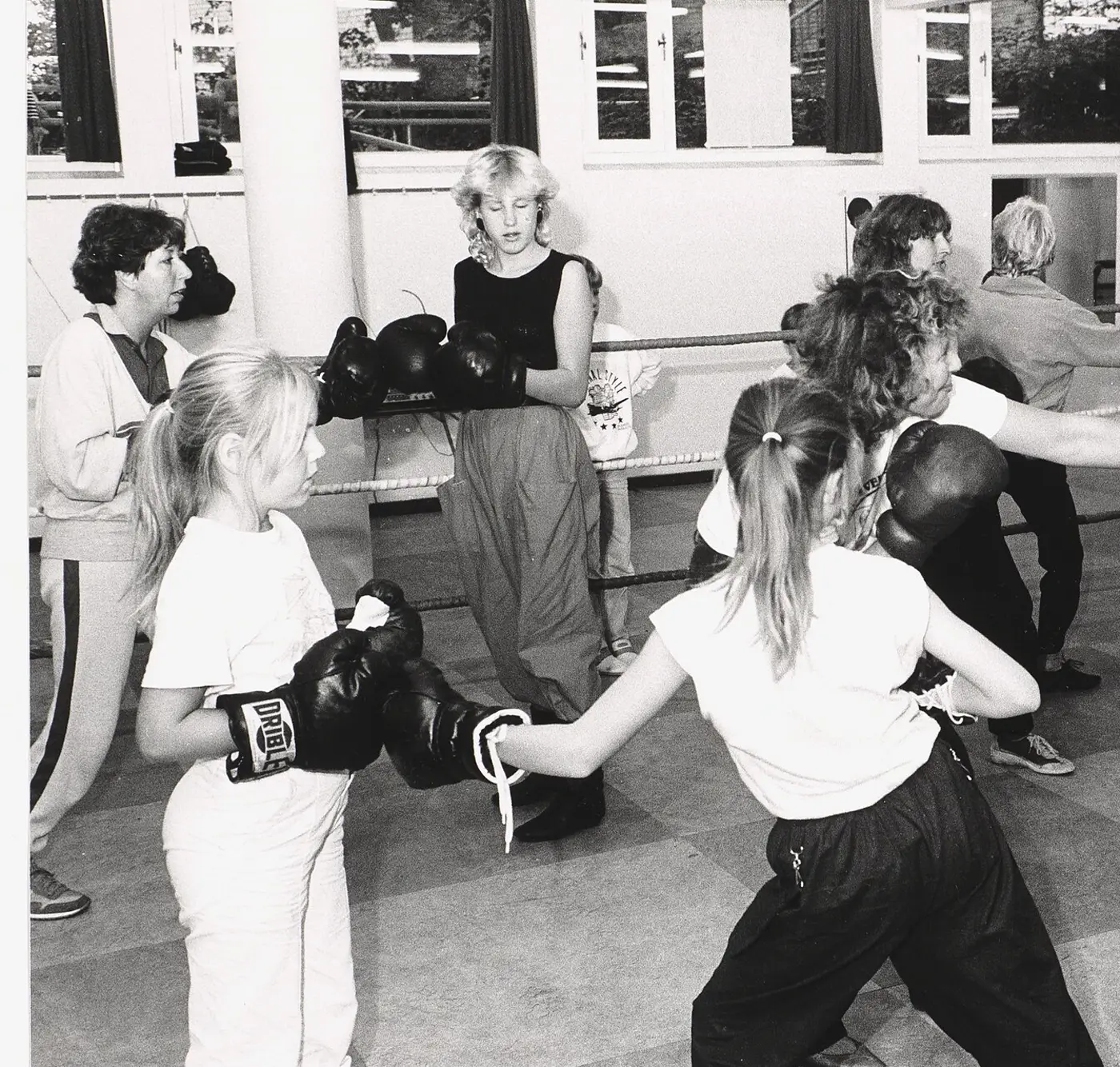
If you’ve wondered about the shadow boxing meaning beyond “punching the air,” the short version is that you’re fighting an opponent who isn’t there, throwing real combinations and moving your feet as though somebody’s in front of you. What’s less well known is that the word itself predates boxing as a sport by centuries, and it has a second meaning that has nothing to do with punches at all.
TL;DR: shadow boxing means throwing punches and moving as though an imaginary opponent is in front of you. The word traces back to 1620s English, by way of Ancient Greek. It’s used as a warm up, but coaches rely on it to actually build technique too, and English also uses it figuratively for going through the motions of a conflict with nobody really there.
The shadow boxing meaning in the gym
In a boxing gym, shadow boxing means exactly what it sounds like: throwing combinations, slipping, and moving your feet against an opponent who exists only in your head. There’s no bag to absorb the punch and no partner to react to it, which is both the exercise’s biggest limitation and the reason it’s useful. With nothing hitting back and nothing to hit, the only thing left to focus on is your own form, which is much harder to do the moment a bag or a person is involved.
That’s why coaches use it for more than warming up a cold gym. Watching somebody shadow box tells a coach a lot, because every habit that’s usually hidden by the thud of a bag landing becomes visible: where the hands drop, whether the feet stop moving, whether the chin comes up between punches.
Where the word actually comes from
The term is far older than the sport of boxing as it exists today. According to Etymonline, “shadow-boxing” appears in English from the 1620s, describing a sham fight done for exercise or practice. It comes by way of a Latinised form of the Ancient Greek skiamakhia, built from skia, meaning shade or shadow, and makhe, meaning battle or fight.
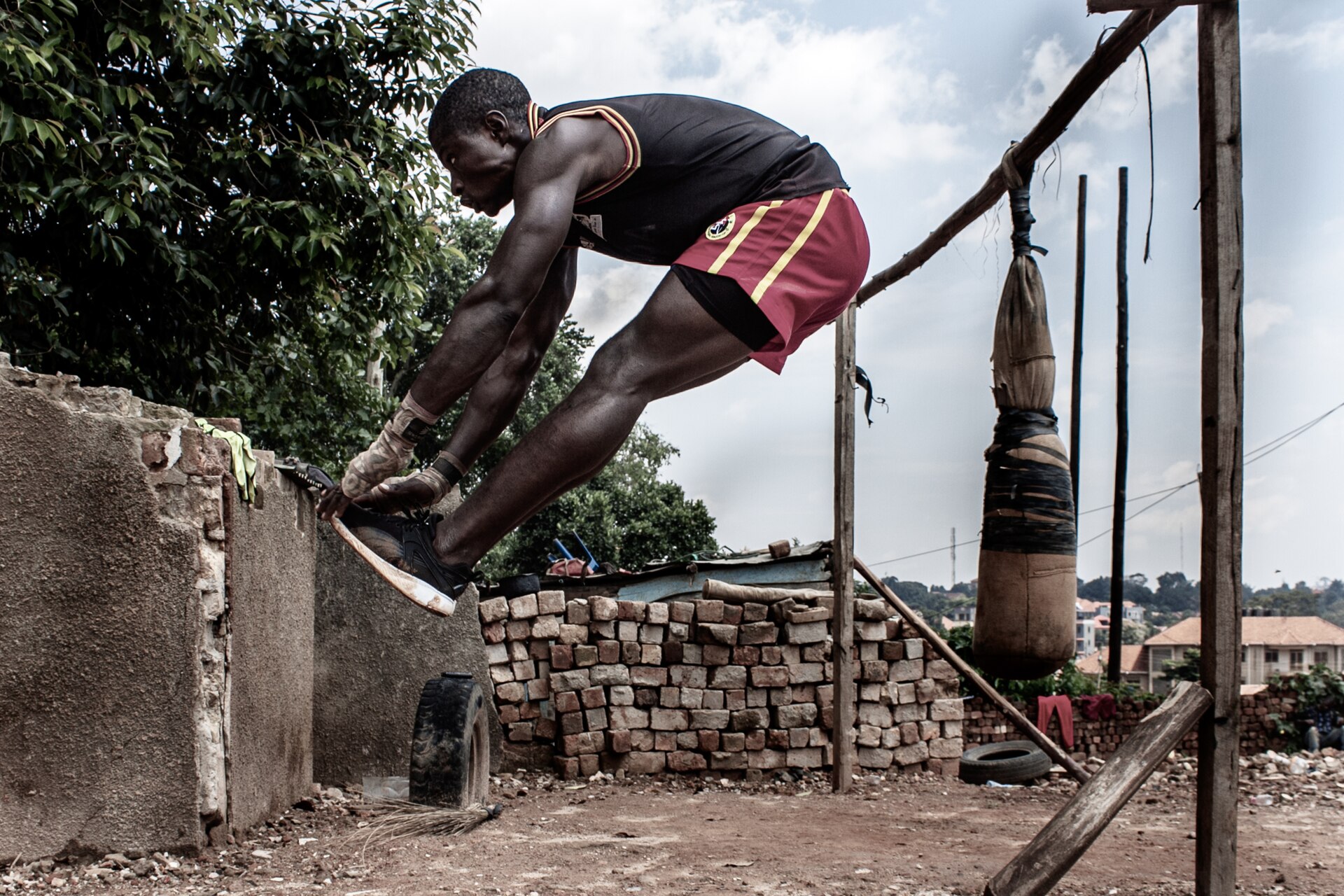
One theory behind the original Greek sense is that it referred to training in the shade, since ancient teachers often taught in shaded public spaces. But the more literal sense, fighting with a shadow rather than a real opponent, is the one that survived into English and eventually attached itself to boxing specifically, long after the word already existed.
The other shadow boxing meaning, outside the gym
English also uses “shadowboxing” figuratively, and it has nothing to do with fitness. Used this way, it means going through the motions of a fight or an argument against an opponent who isn’t really there, or dealing with a smaller, safer problem instead of the real one you’re actually facing.
You’ll see this sense in writing about politics, workplace conflict, or personal disputes: someone “shadowboxing” a disagreement is arguing with a version of the other side that exists mostly in their own head, or picking a fight over something minor because the real issue is harder to raise directly. It’s a fair metaphor, since the physical version really is a fight with nobody actually there to hit back or push back.
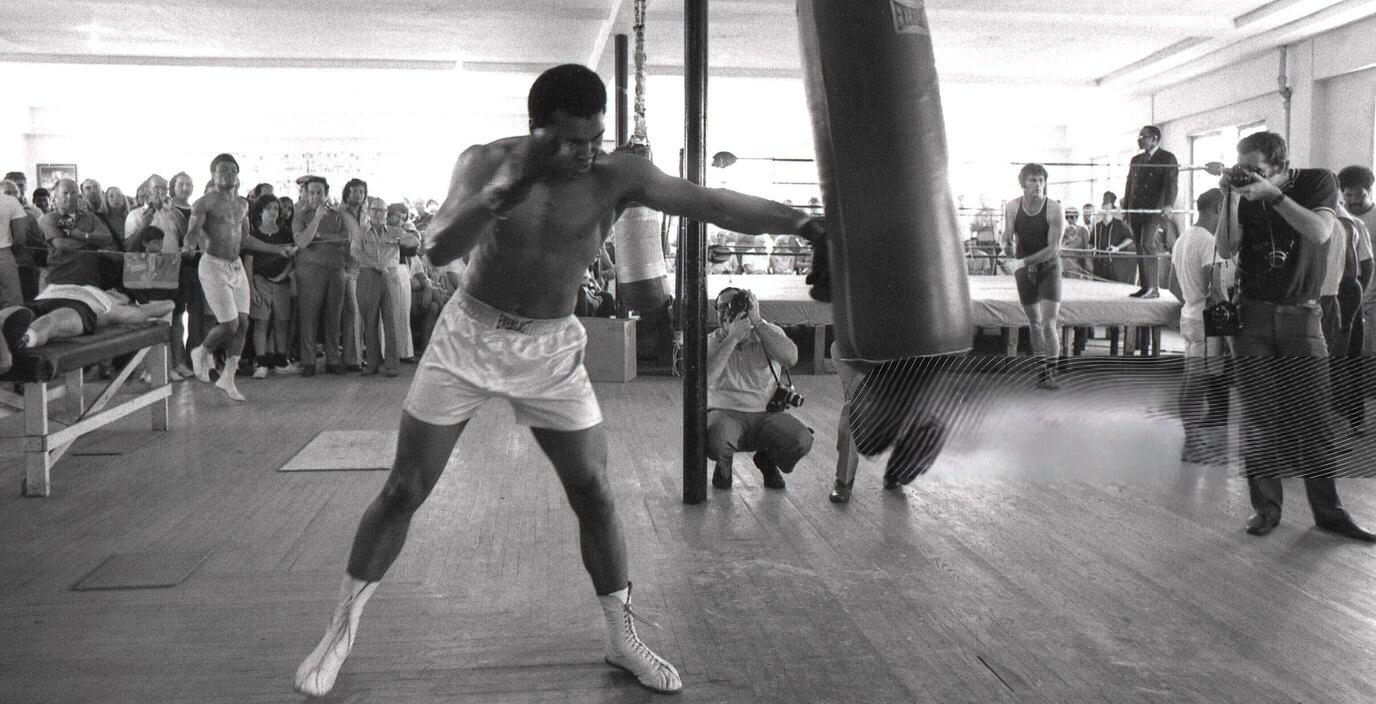
So why does the meaning actually matter?
Knowing what shadow boxing is actually for changes how you should do it. If it’s just a warm up in your head, you’ll wave your arms loosely for two minutes and move on. If you treat it the way a coach does, as a chance to check your own form with nothing to hide behind, you’ll pick one thing to work on, throw it properly, and pay attention to whether your feet are still moving by the end of the round.
Both readings of the word point at the same underlying idea. You’re facing something that isn’t really there, and what you get out of it depends entirely on how seriously you treat an opponent who was never going to hit back either way. Treated properly, the exercise does real work. Treated as filler before the “actual” training starts, it teaches you almost nothing, and the gap between those two outcomes is entirely down to attention rather than effort.
Shadow boxing in other combat sports
Boxing didn’t keep the word to itself. Muay Thai, kickboxing and MMA gyms all use some form of shadow work, usually adapted to whatever that sport actually allows, so a Muay Thai fighter shadow boxing will throw knees and elbows into the same imaginary exchange, and an MMA fighter might work in a level change or a shot for a takedown. The core idea carries across every one of them unchanged: move as though a real opponent is reacting to you, with nothing there to prove whether you’re right.
That crossover is one more sign the exercise is doing more than warming muscles up. A sport wouldn’t keep reinventing its own version of an exercise, adapted to its own techniques, if the only thing it was good for was raising your heart rate before the real work began.
Getting more out of it than most people do
The easiest way to waste a round of shadow boxing is to move without picturing anyone at all, throwing punches at a general idea of “in front of you” rather than at a fixed target. Give your imaginary opponent a height, a stance, and a habit, maybe they drop their right hand after a jab, and build the round around exploiting that. It sounds like a small change and it isn’t. A specific opponent gives every punch a reason to land where it lands, and a vague one gives you nothing to actually aim at.
If you want a practical place to start, our set of shadow boxing combos walks through specific combinations worth practising this way, and our guide to boxing training at home covers how shadow boxing fits into a full session. For the difference between this kind of solo practice and the real thing, see our piece on boxing and sparring.
Shadow boxing needs no equipment at all, which is most of its appeal. The only thing that helps is a top you can get your arms above your head in without the shoulder pulling, and our Athletic range is cut for that at 160 to 200 GSM.
Common questions
What is the shadow boxing meaning in boxing?
Throwing punches at an imaginary opponent, with no bag, pads or partner, to practise technique, footwork and rhythm. The 'shadow' is standing in for the person you're picturing.
Where does the term shadow boxing come from?
It's much older than modern boxing. Etymonline traces it to the 1620s, from a Latin rendering of the Greek skiamakhia, meaning shadow-fighting or a sham fight, built from skia (shadow) and makhe (battle).
Does shadow boxing mean anything outside of the sport?
Yes. Figuratively, it means going through the motions of a fight or an argument that has no real opponent, or dealing with a smaller problem to avoid a bigger one you're actually facing.
Is shadow boxing just a warm up?
It's used as a warm up, but that undersells it. Coaches also use it to build and correct actual technique, not just to raise your heart rate before the real training starts.