Boxing and sparring: what the difference actually is
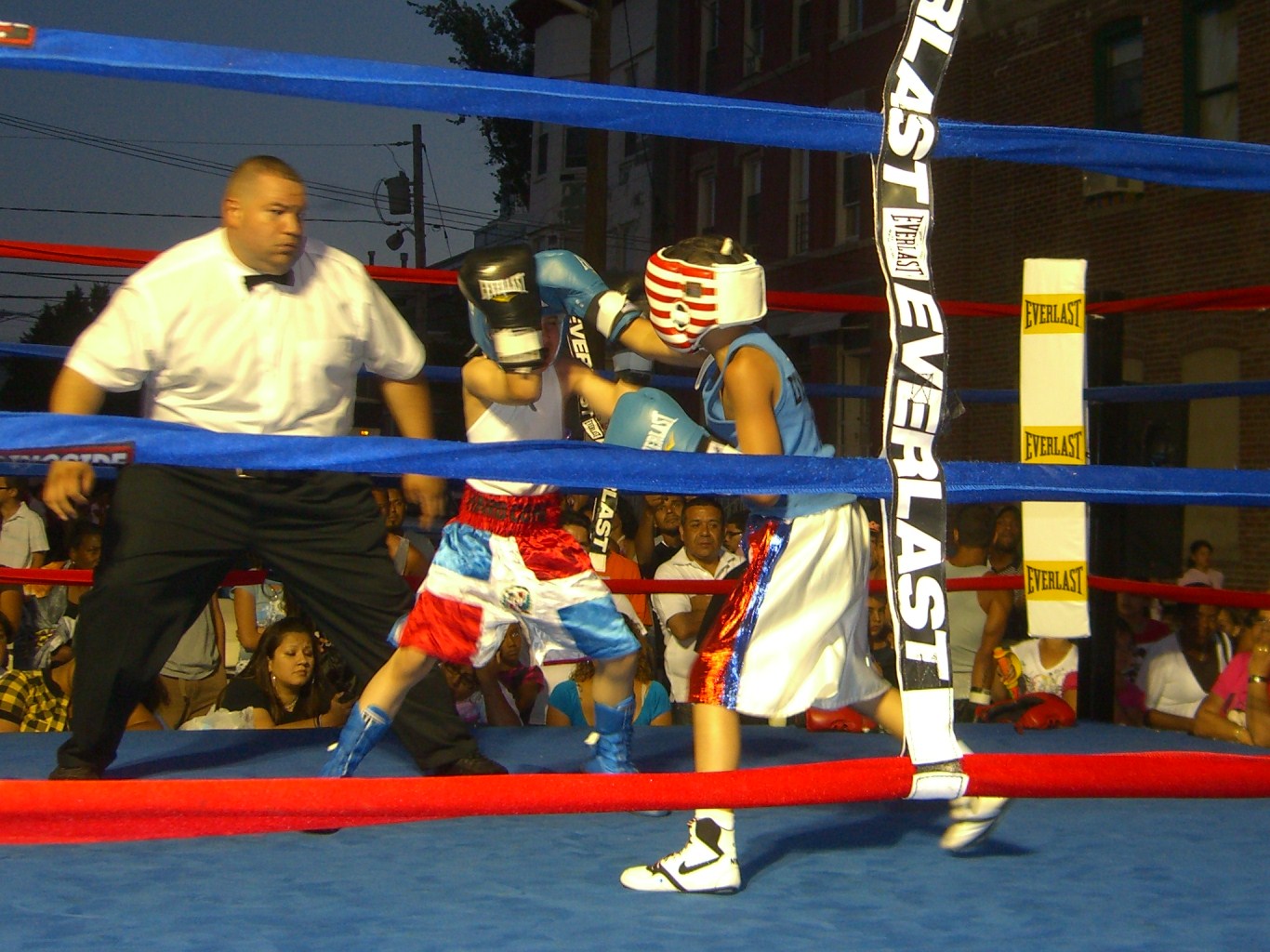
If you’ve started training and keep hearing “boxing” and “sparring” used as if they mean the same thing, that’s a fair source of confusion, because in most gyms they get used loosely. Boxing is the sport as a whole. Sparring is one specific kind of practice inside it, and it has its own rules and its own point.
TL;DR: sparring is a controlled practice fight between training partners, not a competition. It has no judges and no result. Its purpose is preparing you to think and react under real pressure, which is the one thing you can’t practise alone.
Boxing and sparring: where the actual line is
Sparring is two people who train together putting on gloves and headgear and working through exchanges at a controlled pace, usually with a coach watching and calling time. Nobody wins. Nobody’s hand gets raised at the end. The whole exercise exists so both people get to practise against someone who’s actually trying to hit them back, which is the one thing shadow boxing and pad work can’t give you.
That last point is the real difference between boxing and sparring as words. “Boxing” covers everything from your first class to a world title fight. “Sparring” is specifically the practice version, done in the gym, with the intensity turned down on purpose.
Why it isn’t the same as a real fight
A real fight has a result. Judges score every round, one fighter’s hand goes up at the end, and for a title fight there’s a belt on the line. None of that exists in sparring. There’s no scorecard, no official win, and usually an unspoken agreement that both people are there to get better, not to prove anything.
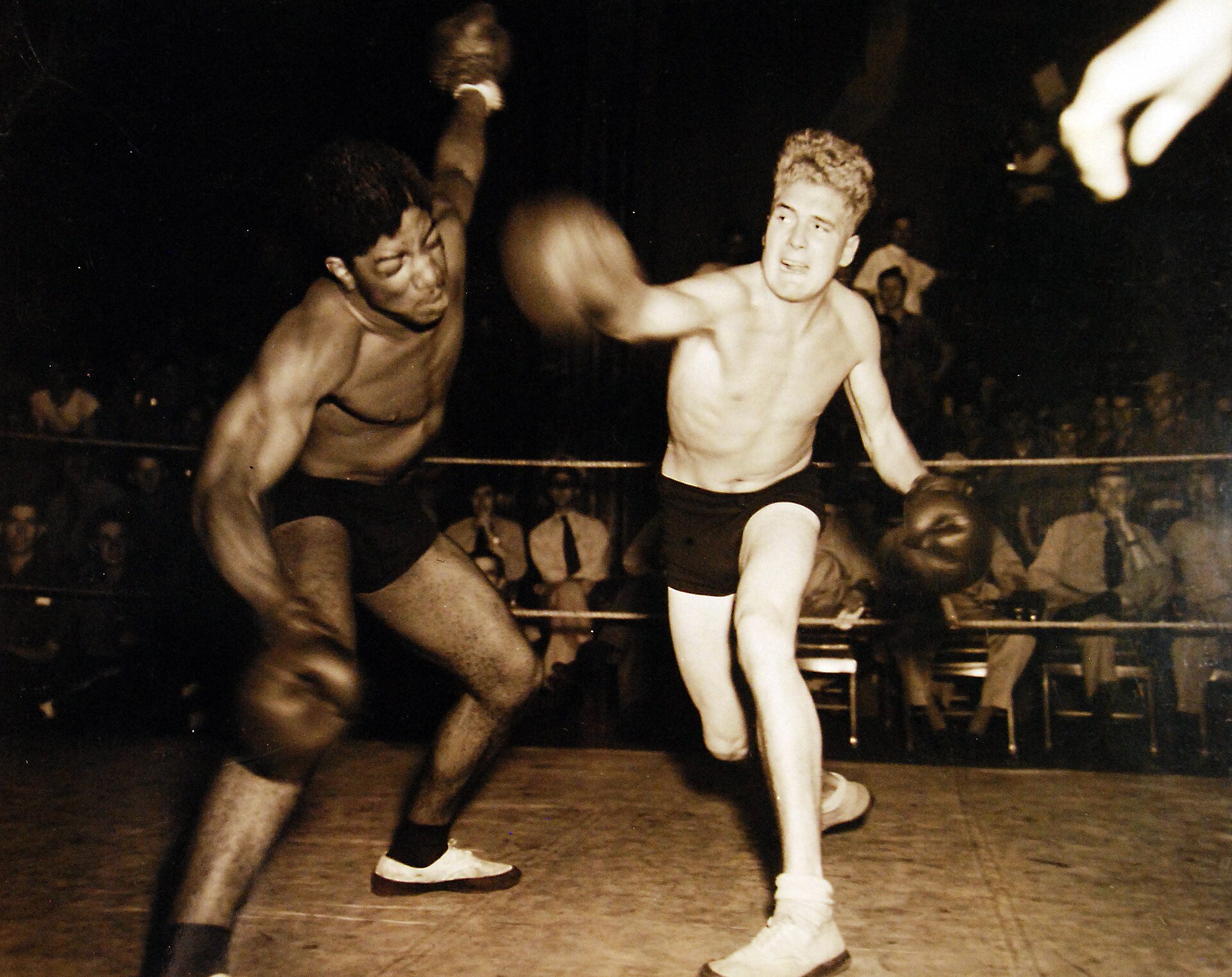
That agreement matters more than it sounds. Two training partners who spar regularly will often ease off exactly when one of them lands something solid, because the goal is both people leaving better than they arrived, not one person leaving having proven a point. A real opponent has no reason to do that.
What sparring is actually for
You can build a stance, learn combinations and get properly fit without ever sparring. What you can’t build without it is distance and timing, because both only really exist against somebody who’s actually trying to hit you and trying not to be hit themselves. Hitting a bag teaches you what a punch feels like. Sparring teaches you what it feels like when the target is also thinking.
It also teaches you to think clearly while someone is coming at you, which is a different skill from throwing good technique in the mirror. Plenty of people who look sharp on the bag freeze up the first time a real person is moving toward them, and that’s not a flaw, it’s just a skill nobody’s had the chance to practise yet.
What your first time sparring is actually like
Most gyms run beginner sparring at a pace much closer to a slow conversation than an actual fight. The coach is usually standing right there, calling out corrections, and stopping things the moment either person gets tense or starts swinging for real. If your first session feels oddly slow, that’s not a sign you’re being held back, it’s the whole point.
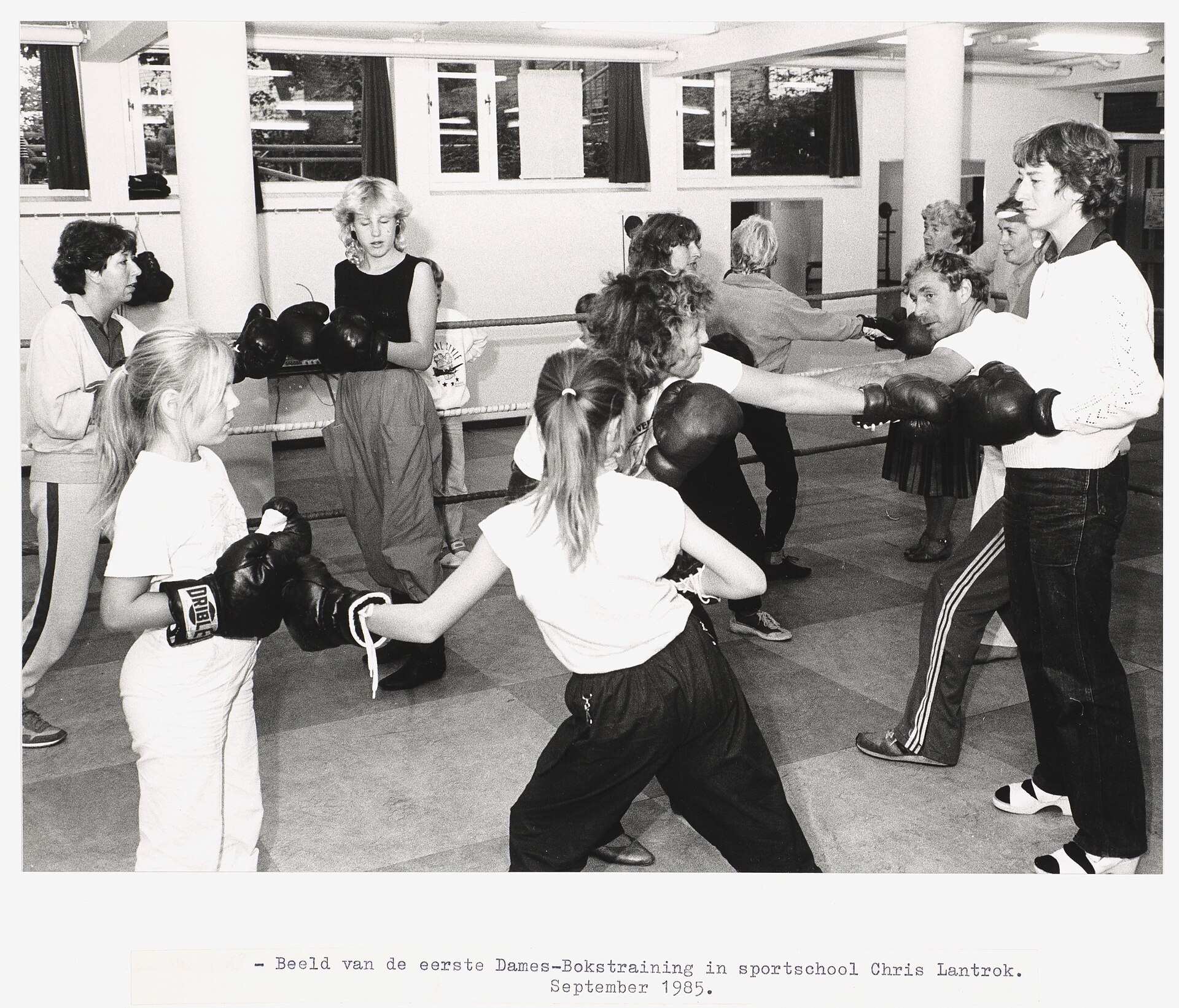
Expect to feel clumsy. Most of what you’ve practised alone, the stance, the guard, the footwork, tends to fall apart a little the first time somebody’s actually moving in front of you, and that’s expected rather than a sign you’ve learned nothing. It comes back together over a handful of sessions, not one.
When are you actually ready to start sparring?
There’s no fixed number of classes before you’re allowed to spar, and it varies a lot by gym. What most coaches look for is whether you can hold your guard up, throw a jab and cross without your feet stopping, and take instruction mid-round without losing your temper. If you’re not sure, ask your coach directly rather than guessing. They’d rather tell you than have you find out the hard way.
The mistake almost everyone makes the first few times
The most common beginner mistake isn’t going too hard, it’s holding your breath and tensing up the moment your partner moves toward you. That tension is what makes a first session feel exhausting after ninety seconds even though almost nothing actually landed. Breathing normally while somebody’s moving at you is a skill on its own, and it’s usually the first thing a coach will call out.
The second mistake is treating every exchange as something to win. Sparring partners who try to land the last punch of every exchange, rather than working on whatever they were actually asked to practise that round, tend to stop learning anything and just get tired instead. If your coach gave you a job for the round, that job is the point. The exchange is just the setting it happens in.
A third, quieter mistake is picking a partner who’s much heavier or much more experienced than you without telling your coach first. A good gym matches people sensibly by size and experience precisely so that beginners get to practise rather than just survive. If a pairing feels wrong, say so. Nobody serious about coaching will think less of you for it.
If you’re building toward this from scratch, our guide to basic boxing techniques covers the stance, guard, footwork and distance that sparring puts to the test in the first place, and our guide to boxing training at home covers the stage before sparring, and our set of shadow boxing combos is worth practising until they hold together, since a combo that falls apart in the mirror won’t survive a partner who’s actually moving. For what to wear once you’re sparring regularly, see our guide to what to wear for boxing. Our Athletic range is the close-cut side of it, a spandex blend at 160 to 200 GSM, which is what you want once someone is moving in front of you.
None of this needs to happen quickly. Most people who stick with boxing spend months on the basics before their first round of sparring, and that’s normal rather than slow. The gym isn’t grading you against anyone else’s timeline, and a coach who rushes you into it before you can hold a guard under pressure isn’t doing you a favour, whatever it might feel like from the outside.
Common questions
What's the difference between boxing and sparring?
Boxing is the sport. Sparring is a specific kind of practice, a controlled fight between two people who train together, done to prepare for real competition rather than to win or lose anything.
Is sparring the same as a real fight?
No. A real fight has judges, a result and often a title on the line. Sparring has neither. Two people who spar regularly are usually trying to help each other improve, not trying to knock each other out.
Do you need to spar to learn boxing?
Not to get fit or learn the basics, but you do need it to develop actual distance and timing, since both only really exist against somebody who's trying to hit you back.
How hard should you spar as a beginner?
Light. Most gyms run beginner sparring at a pace closer to a conversation than a fight, because the point is learning to think under pressure, not testing whether you can take a punch.