Basic boxing techniques
Basic boxing techniques get skipped past by a lot of beginners eager to throw punches, and it shows up later as bad habits that take longer to fix than they would have taken to learn correctly the first time. The order gyms teach them in isn’t arbitrary. Each one is the foundation the next is built on.
TL;DR: stance and guard come first, since everything else is built on top of them. Footwork and distance follow, then punches, then combinations. Skipping ahead to punches before the first three feel natural is the most common beginner mistake, and it’s the one that’s hardest to unlearn later.
Stance, the foundation everything else sits on
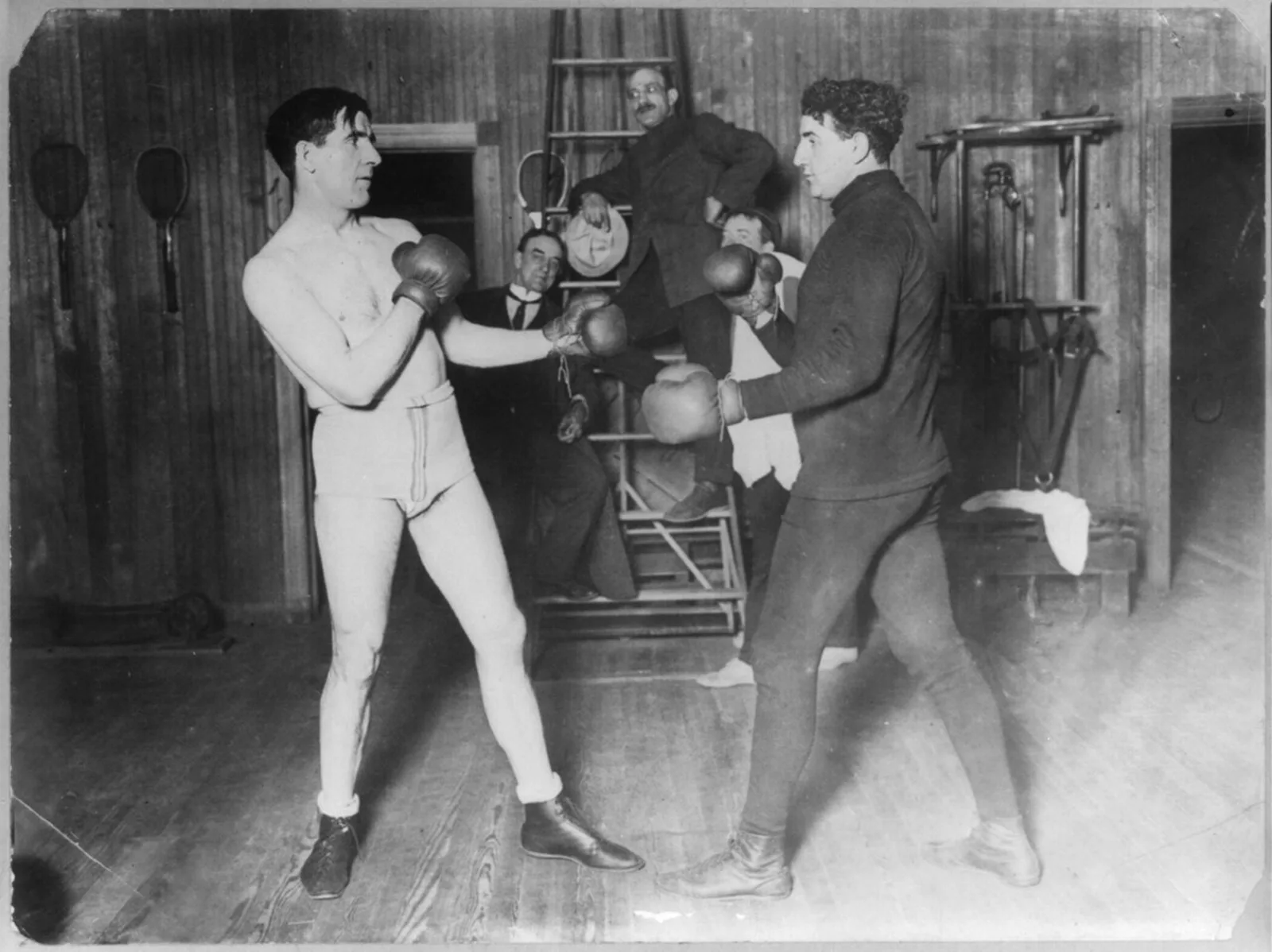
Your stance is how you stand to box: feet roughly shoulder width apart, one foot slightly back, knees soft rather than locked, weight balanced rather than leaning on your front or back foot. Most gyms teach orthodox, right foot back for a right-handed fighter, though a left-handed fighter often does better learning southpaw instead. Our guide to southpaw stance covers that mirrored version in full if that’s the one that fits you.
A stance that’s too narrow tips over easily. One that’s too wide can’t move quickly in any direction. Getting it into muscle memory before adding anything on top of it is worth the patience it takes, since a flawed stance undermines every punch and every defensive move you build on it later.
Guard, keeping your hands where they protect you
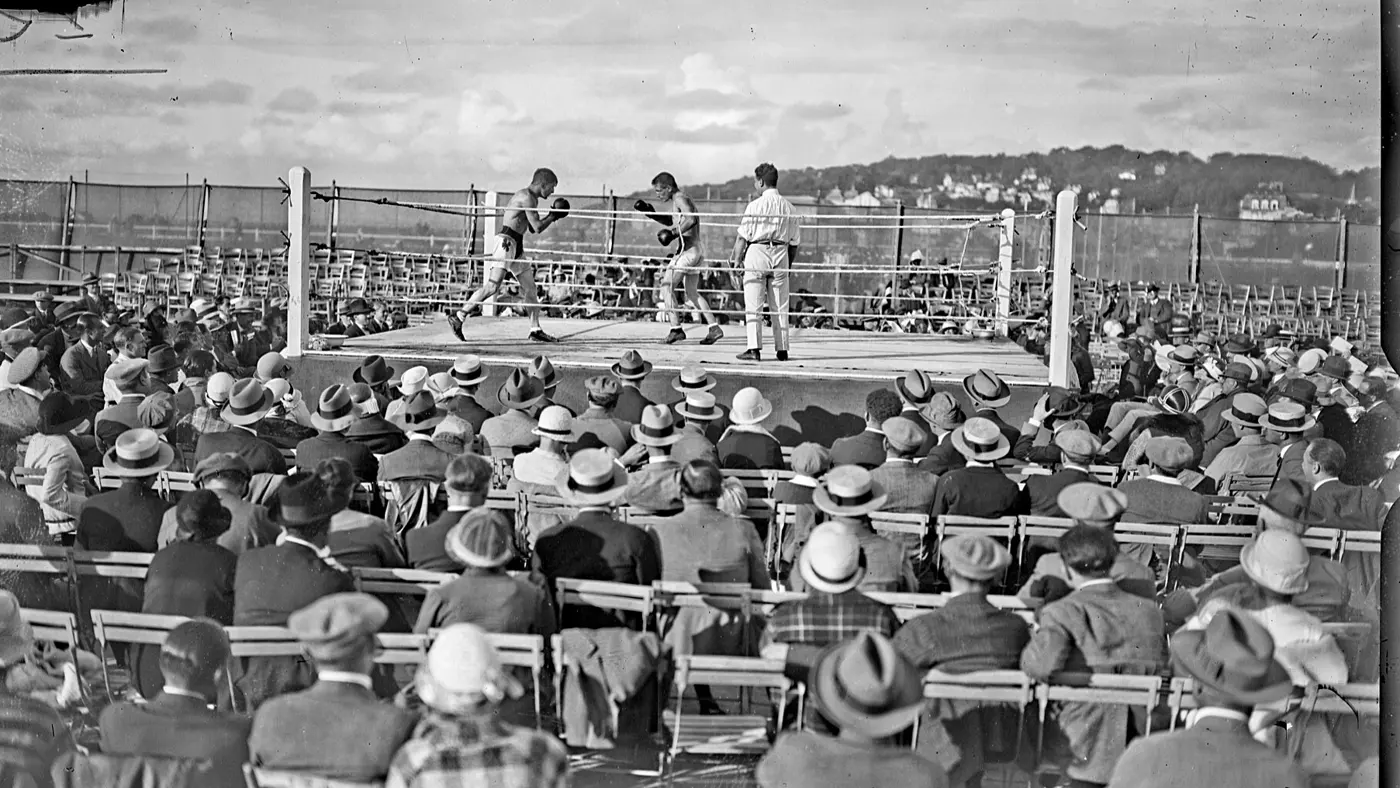
Your guard is where your hands sit between punches, high enough to protect your chin and jaw without blocking your own vision. The common beginner mistake is letting the guard drop the moment a punch is thrown, since attention naturally follows the hand that’s moving. Holding the guard up while the other hand is out takes deliberate practice before it becomes automatic, and it’s usually the first thing a coach corrects in a new student’s first few sessions.
Why does footwork matter more than most beginners expect?
Footwork decides distance, and distance decides whether a punch lands, gets blocked, or misses by a foot doing nothing. Small steps rather than big ones, staying balanced on the balls of your feet rather than flat-footed, and moving your feet before your hands rather than reaching with your arms are the basics most gyms drill before anything else. A fighter with excellent punches but poor footwork spends most of a round either out of range or walking straight into counters. Boxing and sparring covers how much of an actual exchange comes down to positioning rather than raw punching ability once you’re past the basics.
Distance, the skill that ties the first three together
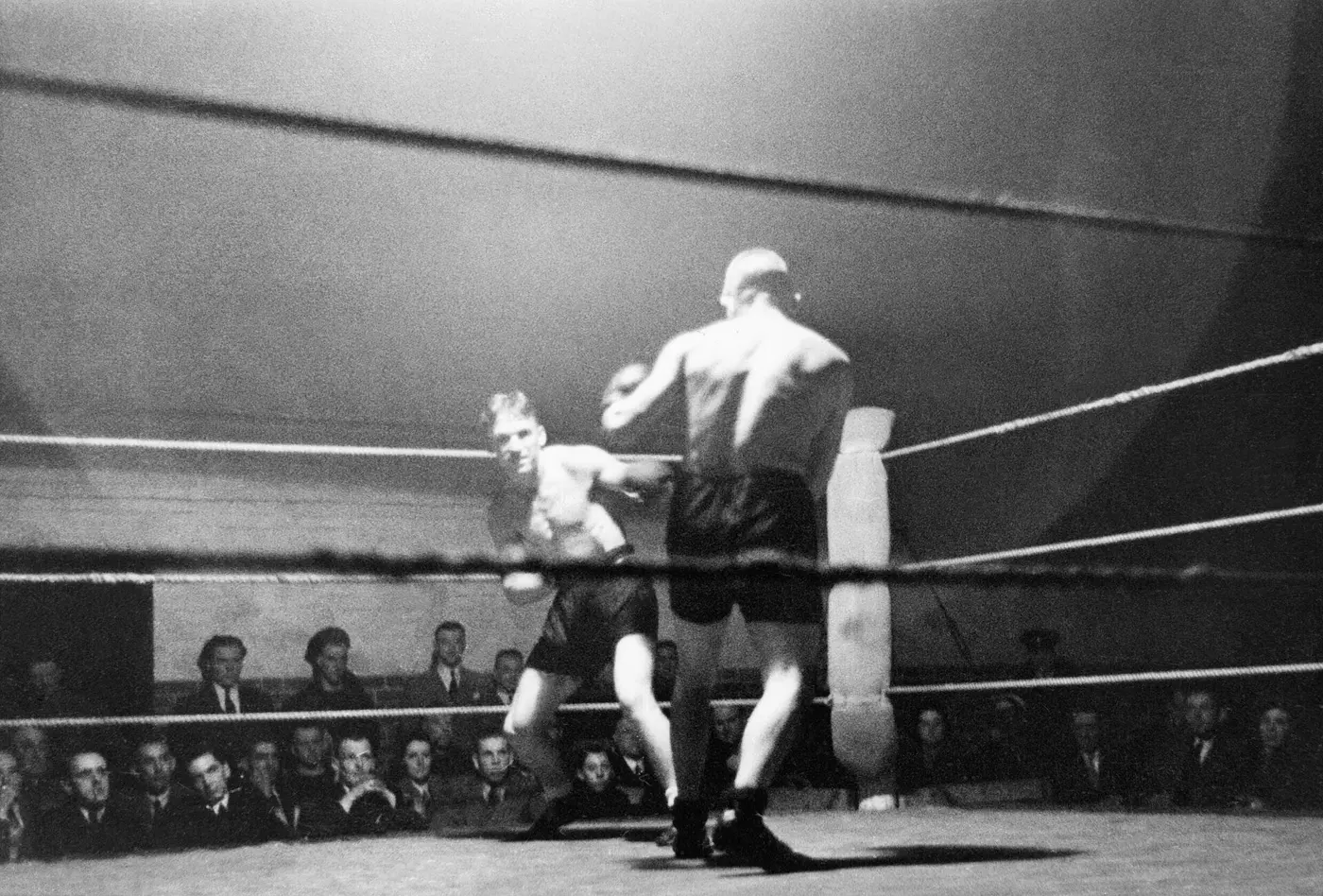
Distance is judging how close you need to be for your own punches to land while staying far enough that your opponent’s don’t. It’s built from stance, guard and footwork working together rather than being its own separate skill, which is why it’s usually the last of the fundamentals to click for a beginner. Shadow boxing in front of a mirror, imagining an opponent at different ranges, is one of the most useful ways to build a feel for it without needing a partner or a bag.
The defensive basics that come alongside the guard
Slipping, rolling under a punch, and parrying with an open hand are usually introduced right after guard and footwork, before punches themselves get much attention. The reasoning is straightforward: a beginner who can move their head and feet to avoid a shot is safer sparring or drilling with a partner than one who can only stand and absorb whatever comes back, even before they can punch back effectively themselves. A small slip, moving your head just enough that a punch misses by an inch rather than a foot, is far more useful early on than an ambitious dodge that leaves you off balance and out of position for whatever follows.
Breathing is the other fundamental that gets overlooked. Exhaling sharply as you throw a punch, rather than holding your breath through a whole combination, keeps your body loose and your output higher for longer. It feels unnatural at first and becomes automatic within a few sessions of deliberate practice, the same way the rest of these fundamentals do.
Putting the fundamentals into a punch
Once stance, guard, footwork and distance feel natural, the actual punches come together faster than most beginners expect, since a jab or a cross thrown from good fundamentals mostly just works. Coaches usually introduce them one at a time from here, starting with the jab, rather than all at once, which is exactly why the order in this guide matters more than any single punch does on its own.
What you train in matters here too. A stance drilled for an hour needs clothing that moves with you rather than restricting a low guard or a wide stance. Our Essentials range is cut with enough room through the shoulders and hips for exactly that kind of repeated, deliberate movement.

Basic boxing techniques, in short
- Stance comes first. Everything else is built on top of it.
- Guard needs to stay up between punches, which takes deliberate practice before it’s automatic.
- Footwork decides distance, and distance decides whether a punch actually lands.
- Punches and combinations come last, and they click faster once the first three fundamentals are already solid.
None of these four are complicated on their own. What takes real time is holding all four together at once, under fatigue, which is the actual gap between a beginner and someone with a few years of training behind them.
Give yourself permission to move slowly through this stage. Rushing to punches and combinations before stance and guard feel natural doesn’t save time, it just moves the correction to a later date when the bad habit is harder to unlearn than it would have been to build correctly the first time. Most coaches would rather see a beginner spend an extra week on stance than watch them throw fast, badly-formed combinations for a month before circling back to fix the foundation underneath them.
Common questions
What are the basic boxing techniques a beginner should learn first?
Stance and guard come before anything else, since every punch and every defensive move is built on top of them. Footwork and distance follow, then the punches themselves.
Do I need to learn punches before footwork?
Most gyms teach the opposite order. A punch thrown from bad footwork rarely lands cleanly and leaves you off balance, so getting your feet right first makes everything that follows easier to learn properly.
How long does it take to learn basic boxing technique?
The basic shape, stance, guard and the first few punches, usually clicks within a few weeks of regular practice. Doing it well under fatigue and pressure takes considerably longer, and that gap is most of what separates a beginner from someone experienced.
Can I learn basic boxing technique without a coach?
You can learn the shape from video and a mirror, which is enough to start. A coach catches the small errors you can't see in yourself, like a dropped elbow or a flat-footed stance, which is why most people improve faster with even occasional coaching than alone.