Amateur boxing fights
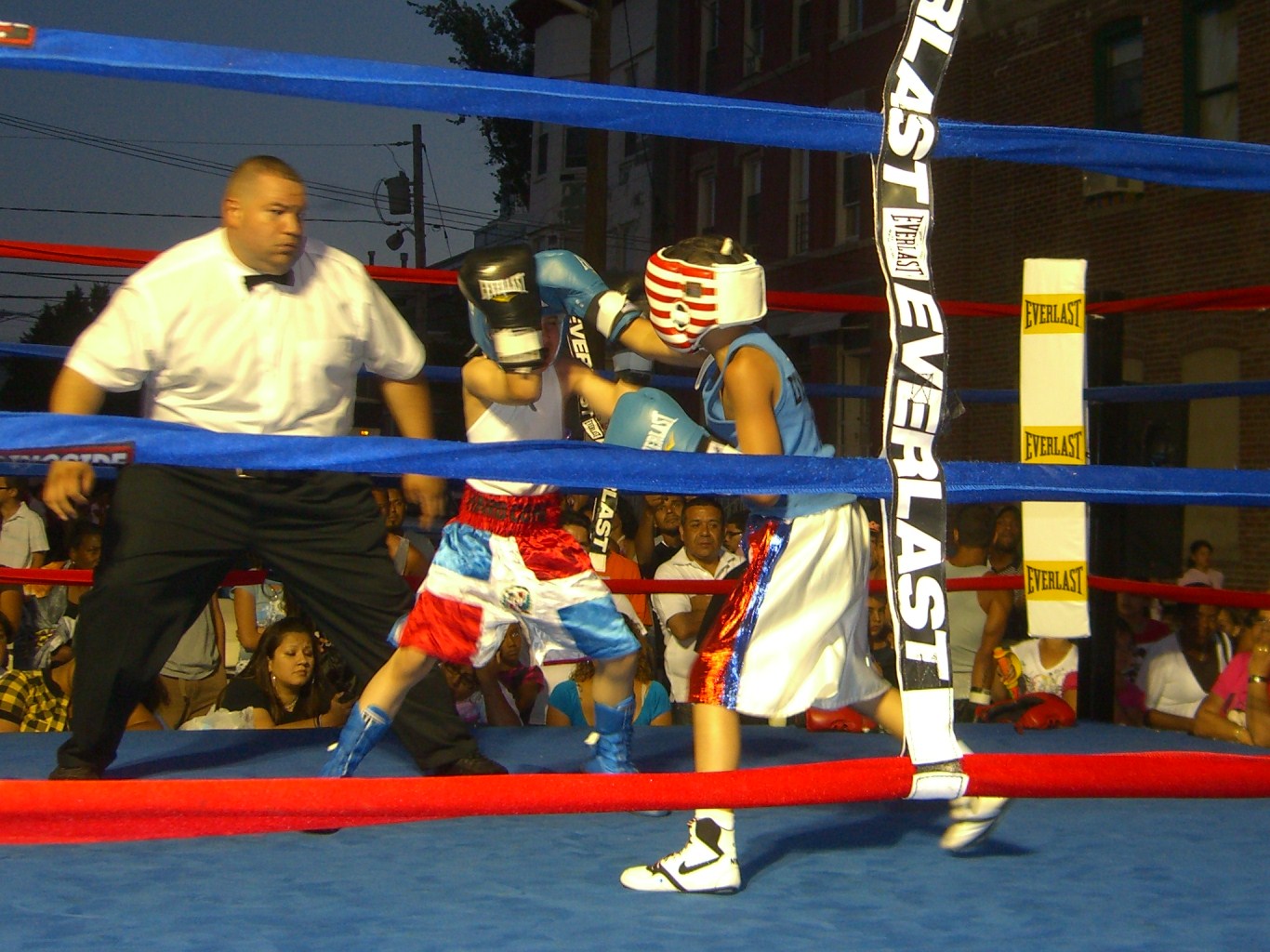
If you’re new to the sport, amateur boxing fights look similar to what you’d see on television until you actually watch one closely. The rounds are shorter, the scoring works differently, and the whole event is built around a different goal than a professional card is.
TL;DR: amateur fights run fewer and shorter rounds than professional bouts, are scored round by round on clean punches landed rather than overall dominance across a long fight, and require more protective gear, especially at youth level. Getting into your first one takes a federation licence through your club rather than a fight record.
How rounds and scoring differ from professional boxing
Professional fights can run up to twelve three-minute rounds. Amateur bouts are shorter across the board, and the exact round count and length varies by age group, weight class and which federation is running the event, so it’s worth checking your own club’s competition rules rather than assuming the format from something you’ve seen on television. What stays consistent is the scoring approach: judges score each round independently based on clean punches landed, rather than weighing a fight’s overall narrative the way a longer professional bout gets judged.
Why don’t more amateur fights end in knockouts?
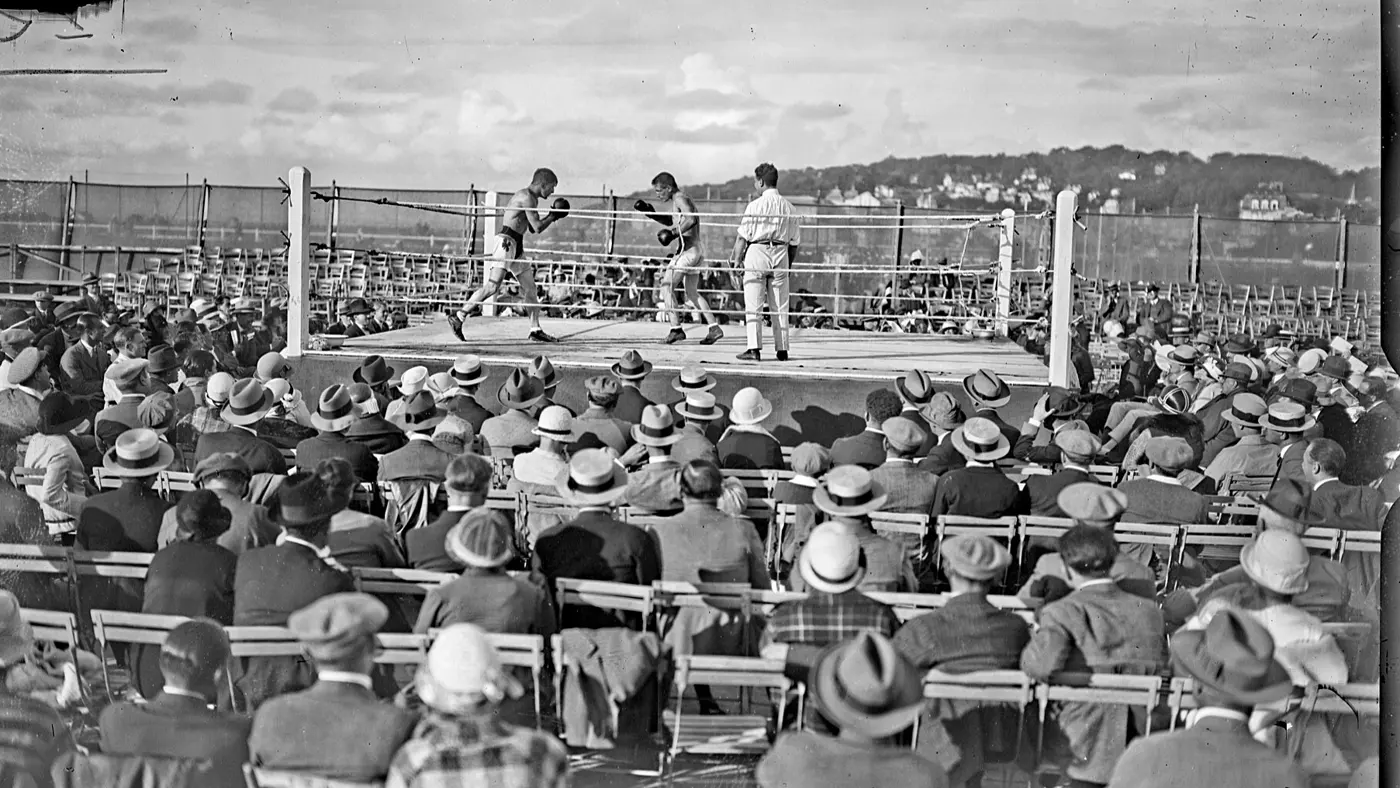
Shorter fights simply give less time for the kind of accumulated damage that leads to a stoppage, and the scoring system rewards clean, accurate punching over the sustained pressure that wears an opponent down across many rounds. A boxer can win comfortably on points without ever threatening a knockout, which is a genuinely different skill from what a longer professional fight often rewards. This is part of why amateur and professional careers can look so different for the same fighter: styles that score well over three rounds don’t always translate directly into styles that win twelve-round fights.
What gear you actually need
Your own gloves and hand wraps are standard everywhere, along with a mouthguard and a groin protector. Headgear is required at youth and junior levels without exception, and its use at senior level varies by competition and has changed more than once in recent years, so check your specific federation’s current rules rather than assuming from an older fight you’ve watched. What to wear for boxing covers what to bring to a regular training session, though a competition bout adds requirements a normal class doesn’t ask for.
Getting a licence to actually compete
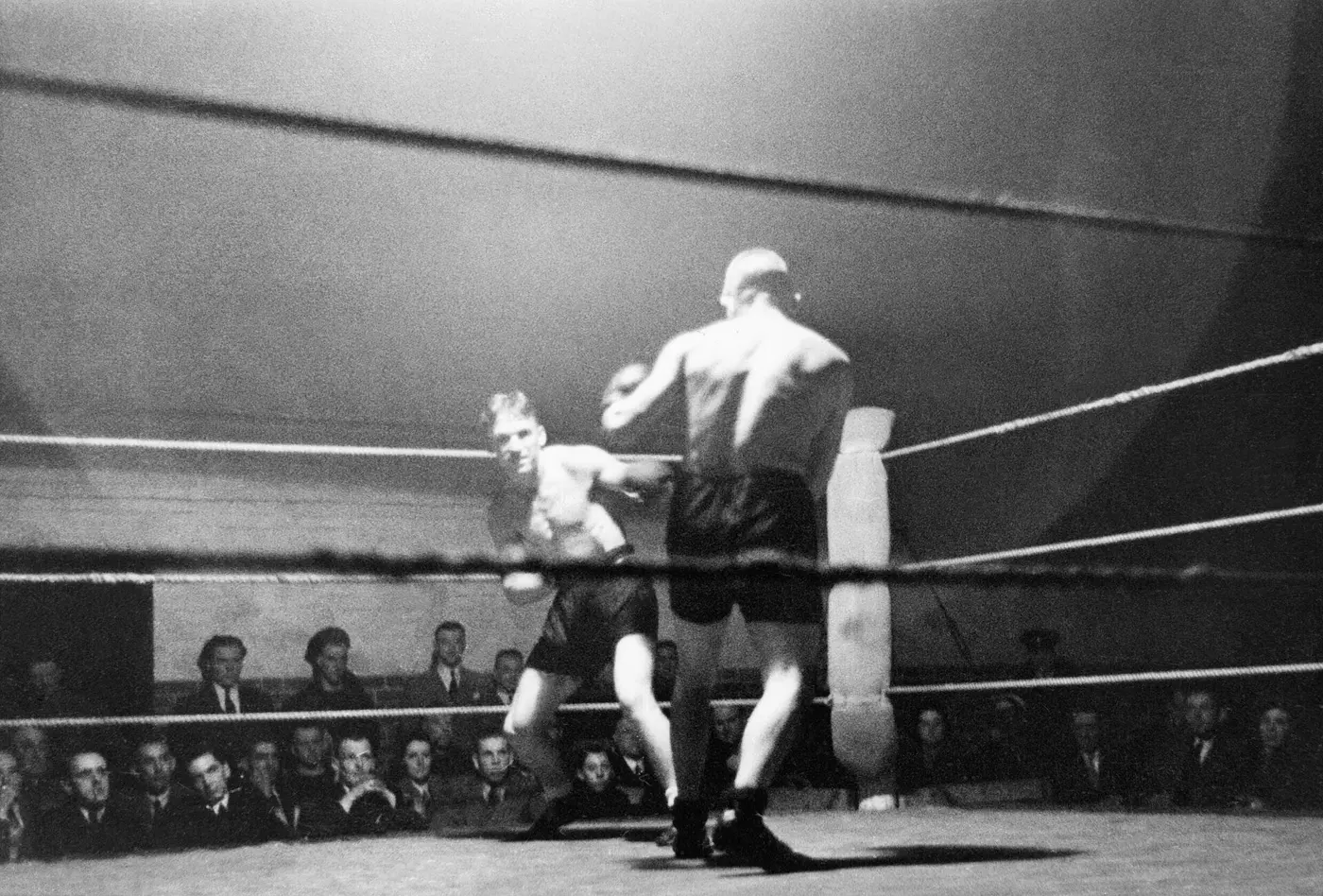
Stepping into an amateur fight isn’t as simple as asking your gym. Most national federations require a medical check and proof of a minimum number of logged training sessions or sparring rounds at a registered club before issuing a competition licence. This exists to protect newer boxers from being matched into a real fight before they’ve built the defensive fundamentals to handle one safely. If you’re a few months into training and curious about competing, ask your coach directly. They’ll know your own federation’s specific requirements far better than any general guide can.
Training for your first fight
The training doesn’t look wildly different from ordinary sessions, just with more sparring and more attention to conditioning as a fight date approaches. Boxing and sparring covers what that live, controlled exchange actually involves once you’re cleared to start it, and boxing conditioning workout covers building the round-based fitness a real bout will actually demand of you.
What you wear in the weeks of harder training before a fight matters more than in an ordinary week, since sessions run longer and more often. Our Athletic range is built for exactly that kind of repeated, higher-output training block.

Amateur boxing fights, in short
- Rounds are shorter and fewer than professional bouts, with exact formats varying by age, weight and federation.
- Scoring rewards clean punches landed round by round, which is why knockouts are less common than in professional boxing.
- Gear requirements are stricter, especially headgear at youth level, and worth confirming with your own federation before a fight.
- A competition licence, not a fight record, is what gets you into your first bout, and your coach is the right person to ask about the specific requirements.
Your first amateur fight will feel different from anything you’ve trained for up to that point, mostly because a scored round rewards a different kind of composure than a sparring session ever asks of you. That’s exactly why the licence process exists before you get there.
What surprises most first-time competitors
The pace is usually the first shock. A round that feels manageable in sparring, where a coach is calling out corrections and pacing you through it, feels considerably faster with a scored clock running and a judge watching every exchange. Nerves burn energy too, more than most people account for, so a fighter who’s used to feeling fresh at this point in a normal sparring session often finds themselves breathing harder than expected in the opening minute of an actual bout.
The other common surprise is how much composure matters relative to power. A fighter who stays calm, keeps their guard disciplined and picks clean shots usually beats a harder puncher who’s rushing and leaving gaps in their defence to do it. That’s a direct result of the scoring system rewarding accuracy over aggression, and it’s worth internalising before your first fight rather than learning it the hard way in the middle of one.
Talk to your coach about what your specific opponent tends to do, if that information is available beforehand. Amateur circuits are often small enough that coaches know each other’s fighters, and walking in with even a rough sense of a style you’re about to face beats walking in cold. None of this replaces the hours of training that got you the licence in the first place. It just narrows the gap between what you’ve practiced and what you’ll actually see across the ring.
Whatever the result of your first fight, treat it as one data point rather than a verdict on whether you belong in the sport. Plenty of fighters who went on to long, successful amateur or professional careers lost their first bout, sometimes badly, simply because a scored fight under pressure is a different test than anything a gym session can fully prepare you for. The only real failure is not stepping back into the gym afterward to work on whatever the fight exposed.
Common questions
How is amateur boxing different from professional boxing?
Amateur fights run fewer, shorter rounds than professional bouts and are scored per round on clean punches landed, rather than judged mostly on who dominates a much longer fight. Protective gear requirements are also stricter, especially at youth levels.
Do amateur boxing fights end in knockouts?
They can, but it's far less common than in professional boxing. Shorter fights and a heavier emphasis on scoring rather than accumulated damage mean most amateur bouts go to a decision rather than a stoppage.
What gear do you need for your first amateur boxing fight?
Your own gloves and hand wraps, a mouthguard, and a groin protector are standard across most levels. Headgear is required at youth and junior levels and its rules vary by competition at senior level, so check with your own federation or club before your first bout.
Can anyone compete in amateur boxing, or do you need experience first?
You need a licence from your national federation, which usually requires a medical check and a minimum number of logged training sessions or sparring rounds at your club, rather than any specific fight record.