Boxing conditioning workout
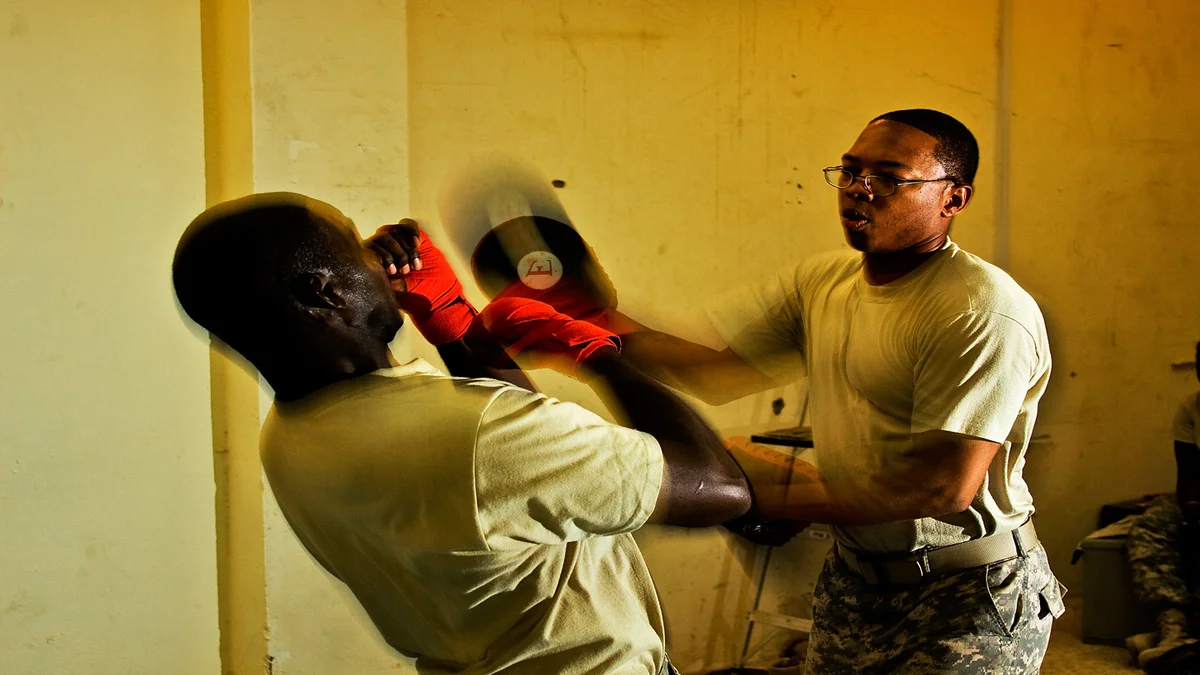
A boxing conditioning workout isn’t the same thing as going for a run. The difference is the shape: rounds and rest rather than one steady effort held for half an hour.
The common mistake is training conditioning like any other cardio, a continuous jog or a long steady bike ride. That builds a real engine, but it doesn’t build the specific fitness a round of boxing asks for, which is short bursts of high output followed by a real rest, repeated for several rounds in a row. The fix is training in that same shape.
TL;DR: train in rounds, not one steady effort. Three minutes on, one minute off is the standard shape, filled with combinations, footwork intervals or descending rest, built up to six or eight rounds as your output holds up.
What makes it boxing conditioning rather than cardio?
A boxing round runs three minutes on, one minute off, under the rules most amateur and professional boxing follows. Inside that three minutes the effort isn’t steady either. It rises and falls with combinations, footwork bursts and moments where you reset and reload. Conditioning built to match that rhythm, work hard for a defined stretch, rest for a defined stretch, repeat, prepares you for what a round actually feels like far better than a flat, steady pace does.
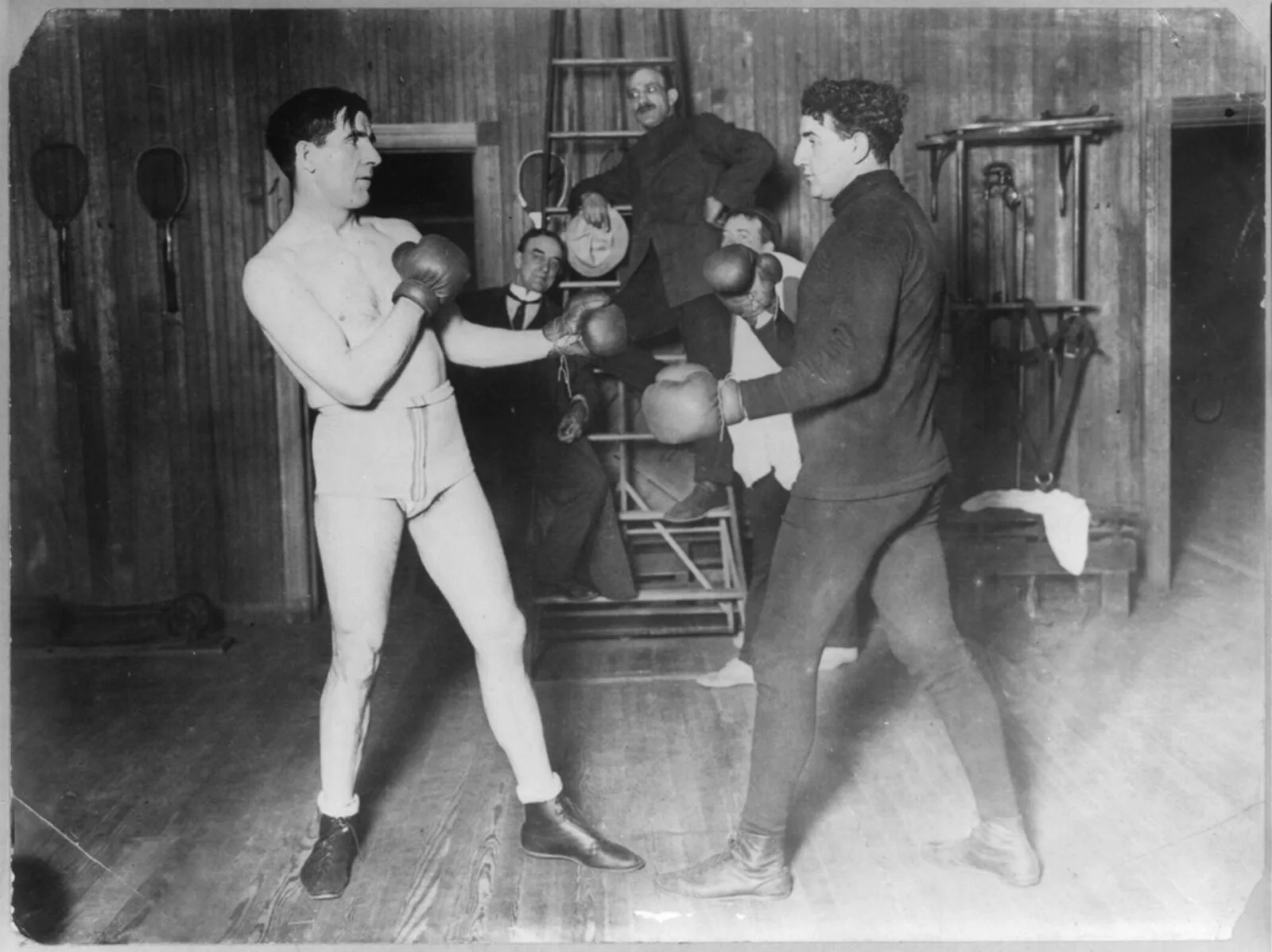
Drills to build a session around
Round-length combinations. Pick two or three combinations and run them for a full three minutes, changing which one you’re throwing every thirty seconds so your output doesn’t settle into autopilot. A minute of rest, then repeat.
Footwork intervals. Thirty seconds of quick, small steps in a stance, side to side and forward and back, followed by thirty seconds of stillness to reset your breathing. Six to eight rounds of this builds the legs that carry you through the later rounds of an actual fight, and it’s the drill most people skip because it looks too simple to matter. It matters more than most of the others, since tired legs are usually what breaks a stance down long before tired arms do. Our guide to boxing footwork exercises covers the individual drills worth building this interval around.
Combination ladders. Start with a single punch for thirty seconds, straight jabs at a steady pace. Add a second punch for the next thirty, then a third, building the combination up rather than throwing the whole thing from the first second. By the time you’re on the full combination your arms are already working, which is closer to what round three of a real session feels like than starting fresh every thirty seconds.
Descending rest. Once the basic round-and-rest pattern feels comfortable, shorten the rest between rounds by ten seconds each round while keeping the work the same length. This is a harder version and worth saving until the first two feel easy, not something to start with.
This is a different job to a weight session, and worth keeping separate rather than combined. Strength training for boxers covers the lifting side in full, force rather than output, and the two complement each other best on different days of the week.
Building up the rounds
Four rounds is a sensible, honest starting point if this kind of training is genuinely new to you, rather than something to rush past on day one. Judge whether to add a fifth by the same test that matters everywhere else in training: does your output in the last thirty seconds of a round still look like your first thirty seconds, or has it fallen off a cliff. If it’s held up, add a round next time. If it hasn’t, stay where you are and let your body catch up before asking more of it.
Six to eight rounds is a full session for most people once conditioning becomes a regular part of the week. If you want the fuller picture of how a conditioning day sits alongside technique days and rest, boxing training routine at home covers the whole week rather than just this one session.
Watch your form as closely as your breathing while you build up. A round where your hands drop and your combinations blur together isn’t fitness doing its job, it’s fatigue teaching you bad habits under load, and it’s better to cut a round short with clean technique than finish it sloppy. Conditioning that trains you to fall apart under fatigue is training you to do exactly that in a moment you can least afford it.
What to wear for a conditioning session
Output stays high for the whole round in a conditioning session, so anything heavy or loose starts to feel like extra weight by round four. Our Athletic range is cut close in a lighter spandex blend for exactly that reason, so nothing’s dragging on you by the round that actually decides how the session goes.

Boxing conditioning workout, in short
- Train in rounds and rest, not a steady pace, to match what an actual fight asks of you.
- Three minutes on, one minute off is the standard shape to build around.
- Combinations, footwork intervals and descending rest cover most of what a conditioning session needs.
- Add a round once your output holds up for the whole round, not before.
The engine you’re building here isn’t the same one a long run builds. It’s the one that lets round six still look like round one, which is the actual job conditioning is doing for you.
Give it a real block of weeks before deciding whether it’s working. The first few sessions at this pace usually feel harder than expected, even for people who already run or cycle regularly, because holding sharp output for the full three minutes is a different demand to covering distance at an even pace. That gap closes faster than most people expect once the rounds become familiar, and it’s the clearest sign the training is doing its job: not that it gets easier, but that the same effort starts producing more work inside the same three minutes.
Common questions
What makes a workout boxing conditioning rather than just cardio?
The structure. Steady-state cardio holds one effort level for a long stretch. A boxing conditioning workout runs in rounds with real rest between them, matching the on-off rhythm of an actual fight rather than a steady pace.
How long should a conditioning round be?
Three minutes with a minute of rest matches the unified rules most boxing follows. If three minutes is too long to hold real output, shorten the round rather than lowering the intensity inside it.
Do I need a bag for boxing conditioning?
It helps but isn't required. Shadow boxing at full output, footwork ladders and bodyweight intervals all follow the same round-and-rest structure and build the same kind of fitness.
How many conditioning rounds is a full workout?
Six to eight rounds is a common full session once you're past the first few weeks. Start at four if you're new to it and add a round every week or two as your output holds up for the whole round.