Boxing training routine at home
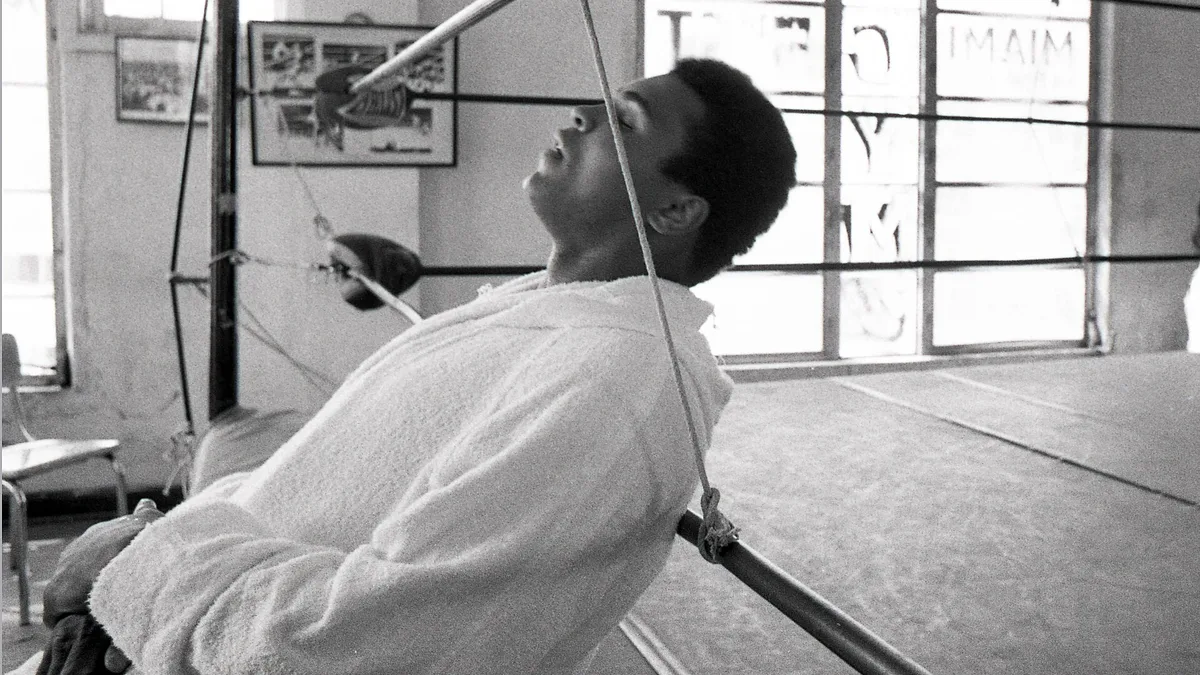
If you’re putting together a boxing training routine at home, the part that actually matters isn’t what you do in any one session. It’s how the sessions sit next to each other across a week.
Most people get this backwards. They nail down a great twenty-minute session, then just repeat it every day until something starts to hurt, or they do it once and call the box ticked. A routine is neither of those. It’s a small number of sessions, spaced out on purpose, each one asking something slightly different of you.
TL;DR: three or four sessions a week, each with a different job, and at least two rest days that are actually rest. Add a day only once your form holds up late in a session rather than falling apart early.
How many days a week should you train?
Three or four sessions a week is enough to make real progress without your body still being sore from the last one when the next one arrives. Two a week leaves too much gap for anything to carry over, and seven straight tends to wear technique down rather than sharpen it, because tired hands drop and tired feet stop moving.
If you want the detail on what a single session actually looks like, rounds, rest, what to do with no equipment, that’s covered in full in how to do boxing training at home. This is about the week those sessions live inside.
Give each day a different job
The mistake that undoes a lot of home routines is running the exact same session every time. Your body adapts to what you repeat, so four identical sessions teach you less than two different ones.
A simple split works well for most people starting out: a technique day built around shadow boxing and combinations, and a conditioning day built around footwork drills, bag work if you have it, or bodyweight intervals. One asks for precision when you’re fresh. The other asks for output when you’re already a little tired, which is closer to what a real round feels like anyway. If you want a full session’s worth of conditioning drills to draw on, boxing for fitness at home covers that day in detail.
A shape to start with
This is a starting shape, not a rule. Adjust the days to whatever actually fits your week.
- Two technique days, spaced apart rather than back to back. Shadow boxing, combinations, footwork drills, done slowly enough to think about what you’re doing.
- One conditioning day, higher output, shorter rest between rounds.
- One flexible day, added once the other three feel comfortable rather than sore.
- At least two rest days, not optional and not the same as a light session.
Training on consecutive days occasionally is fine. Making it the pattern is usually where people stall, because the sessions start bleeding into each other instead of building on one another.
Starting each session properly
A routine only works if each session actually delivers what it’s meant to, and that starts before the first punch. Five minutes of easy movement, shoulders, hips, ankles, gets more out of a technique day than skipping straight to combinations while still stiff from sitting down all afternoon. On a conditioning day it matters even more, since the whole point is working at a higher output, and doing that cold is where a pulled muscle tends to happen. Boxing conditioning workout covers the round-and-rest structure that day is actually built around.
It doesn’t need to be complicated. Loosen the joints you’re about to use, throw a few punches at half speed, and let your heart rate come up gradually rather than starting the clock the moment you walk into the room.

When life gets in the way
A missed day happens to everyone, and one missed session isn’t the routine falling apart. What matters more is what you do with the day after. Doubling up to make up the gap usually does more harm than good, since it turns a rest day into another hard session and leaves you exactly as short on recovery as before.
The better move is to just pick the plan back up where it left off. If Wednesday’s conditioning session got missed, Wednesday’s session is what Thursday becomes, not Thursday’s session plus Wednesday’s. A routine that bends a little when the week doesn’t cooperate lasts a lot longer than one that demands to be followed exactly or not at all.
Reading your own form instead of the calendar
The clearest signal that a routine is working is what your technique looks like near the end of a session, not how you feel walking in. If your guard is still where it should be and the last combination of the day still looks like the first, you have room to add a day or extend one. If your hands start dropping and the shape falls apart early, that’s the week asking you to hold where you are for a bit longer before adding to it.
Soreness that fades by the next scheduled session is normal. Soreness that’s still there when the next one arrives is the routine telling you the gap was too short, not a reason to push through it.
What you wear across the week
A technique day and a conditioning day don’t need the same kit. Slower, precision work is comfortable in something heavier and more relaxed, while a conditioning session with your heart rate up longer wants less fabric moving around. Our Athletic range is cut close for exactly that reason, so nothing catches when your hands come back on a high-output day.

Boxing training routine at home, in short
- Three to four sessions a week, spaced out rather than bunched together.
- Give each session a different job: technique on some days, conditioning on others.
- Rest days are part of the routine, not time off from it.
- Judge progress by whether your form holds up late in a session, not by how many days are on the calendar.
None of this needs a gym membership or a bag hanging in the garage. It needs a week with some shape to it, so that what you drill on Monday is still there by Thursday instead of being undone by Wednesday’s soreness.
Give it a month before you judge it. The first week or two will feel like you’re relearning how to move, and that’s normal rather than a sign the routine is wrong. What you’re actually building is the habit of showing up on the same few days, doing a session that has a clear job, and leaving the rest of the week for your body to catch up. That’s the whole routine. The rest is just adjusting the shape until it fits your week rather than fighting it.
Common questions
How many days a week should a boxing routine at home be?
Three or four is a good starting range. Two leaves too much gap between sessions for anything to stick, and daily training with no rest tends to break down technique rather than sharpen it.
Do I need to do the same thing every session?
No, and you'll get more out of the week if you don't. A technique day and a conditioning day ask different things of your body, and alternating them is what lets you recover from one while still working the other.
How do I know when to add a day?
Watch your form near the end of a session rather than the calendar. If your guard is still up and your punches still look like punches in the last round, you have room. If technique falls apart early, that's the week telling you to hold where you are.
Is it bad to skip a planned rest day?
Once in a while, no. As a habit, yes. Rest days are where the footwork and timing you drilled actually settle in, and a week with no gap between sessions is usually the one where a niggle turns into an injury.