Great boxing matches, and what you can learn from each one
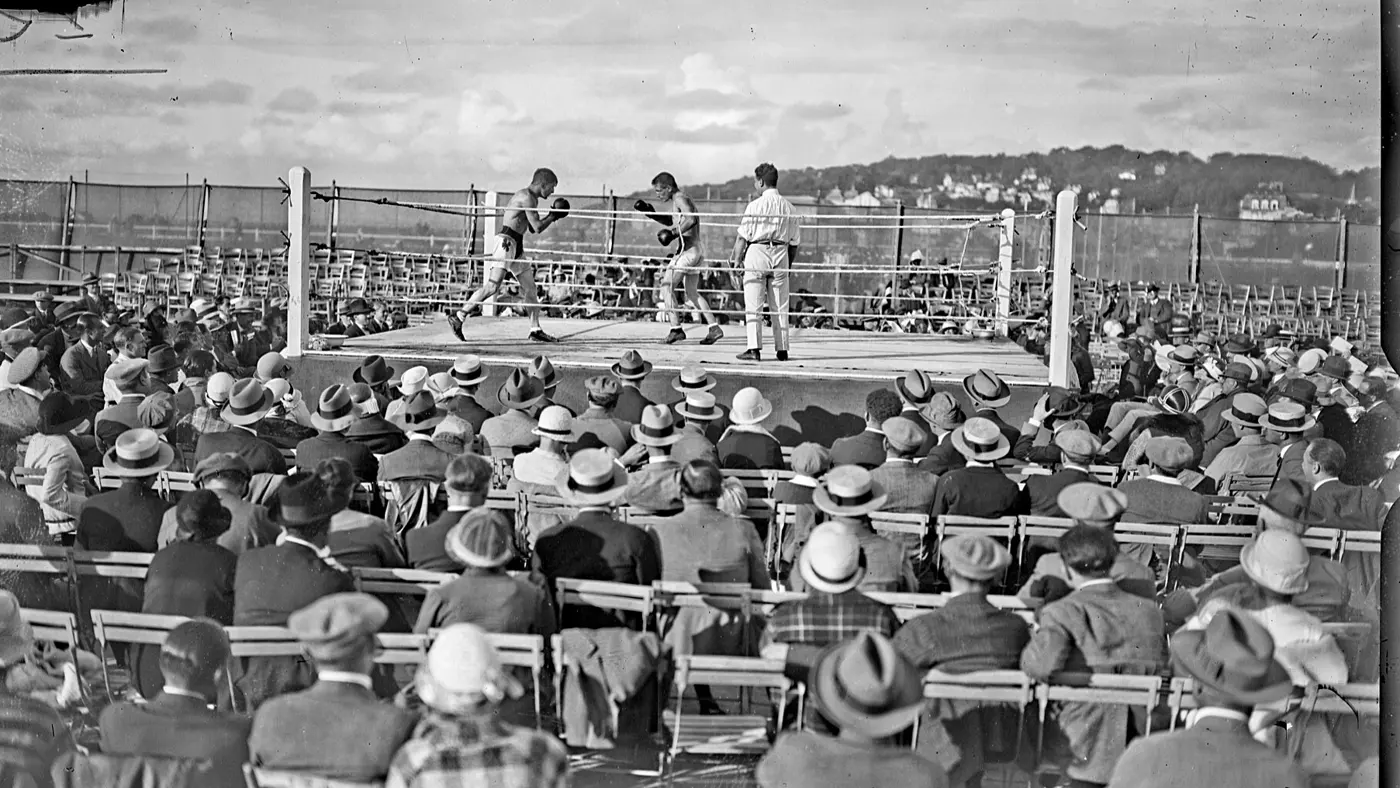
If you’ve started training and you want to watch some great boxing matches properly, most lists won’t help you much. They rank fights, and a ranking is just someone’s opinion with numbers on it.
These four are here for a different reason. Each one shows you something you can use, and between them they take up about two hours.
TL;DR: Ali against Frazier for what pressure costs. Ali against Foreman for winning while losing every exchange. Hagler against Hearns for what happens with no defence at all. Castillo against Corrales for what conditioning is really for.
Ali vs Frazier, 8 March 1971
Madison Square Garden. Frazier won on a unanimous decision after fifteen rounds, with the judges scoring it 8-6-1, 9-6 and 11-4. Both men came in unbeaten, Frazier at 26-0 and Ali at 31-0, and it was the first time two undefeated men who had both held the world heavyweight title had met. They were paid two and a half million dollars each, which in 1971 was enormous. It was Ali’s first professional loss.
What you can take from it is that pressure is a plan rather than a mood. Frazier didn’t out-box Ali. He walked through the jab round after round and made the fight happen at a range Ali didn’t want. Watch how little he does with his hands early on and how much he does with his feet.
Ali vs Foreman, 30 October 1974
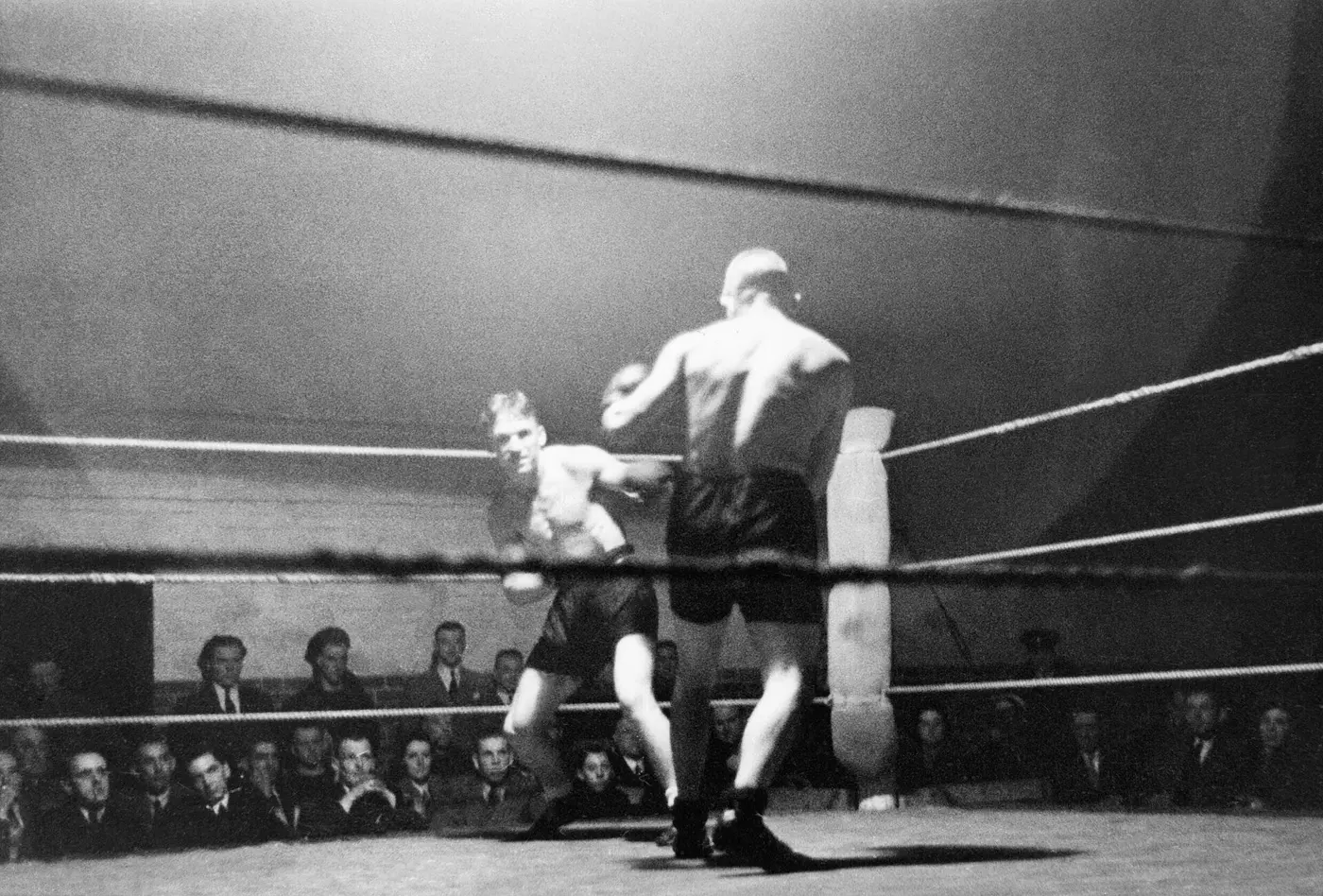
The Rumble in the Jungle, at the Stade du 20 Mai in Kinshasa. Foreman arrived 40-0 with 37 knockouts and Ali stopped him in the eighth. As many as a billion people are thought to have watched it in some form.
Ali leaned on the ropes and covered up, letting Foreman hit his arms and body and spending Foreman’s energy rather than his own. It has a name, the rope-a-dope, and it’s one of the few tactics in any sport famous enough to have entered ordinary speech.
Almost nobody should copy this. Taking punches to tire someone out needs a chin most people don’t have. What is worth copying is the thinking behind it. Ali worked out one thing Foreman couldn’t sustain and built the whole night around it.
Hagler vs Hearns, 15 April 1985
Caesars Palace. Hagler stopped Hearns in the third, and the first round is widely called the best single round the sport has produced. Both men threw power punches from the opening bell with almost no defence. The commentator Barry Tompkins’s line, “This is still only the first round,” is how the fight gets remembered.
It took Fight of the Year from both The Ring and KO Magazine for 1985, and that first round took Round of the Year from both. The Ring described it as the most electrifying eight minutes ever.
What it teaches is what happens when neither fighter sets anything up. It’s thrilling because both of them abandoned the parts of boxing that keep you safe, and it lasted eight minutes. Nothing here is a template. It’s a demonstration of the cost.
Castillo vs Corrales, 7 May 2005
Mandalay Bay. Corrales won on a stoppage in the tenth, and the tenth is the whole reason anyone remembers it.
Less than thirty seconds in, Castillo dropped Corrales with a shot to the chin. Corrales spat out his mouthpiece and got up at eight. Seconds later Castillo dropped him again. Corrales removed the mouthpiece a second time, rose at nine, and referee Tony Weeks took a point off him for it. Then Corrales landed what Castillo himself called a perfect right hand, trapped him on the ropes and punched until Weeks stopped it.
Two knockdowns and a point deduction, and he won the round. It took The Ring’s Fight of the Year and Round of the Year for 2005.
The lesson is about conditioning, and it isn’t the obvious one. Corrales was finished. What he had left was the ability to throw one correct punch while finished, and that comes from training rather than courage.
How should you watch an old fight?
Watching a fight end to end tells you less than you’d think, because there’s too much happening at once.
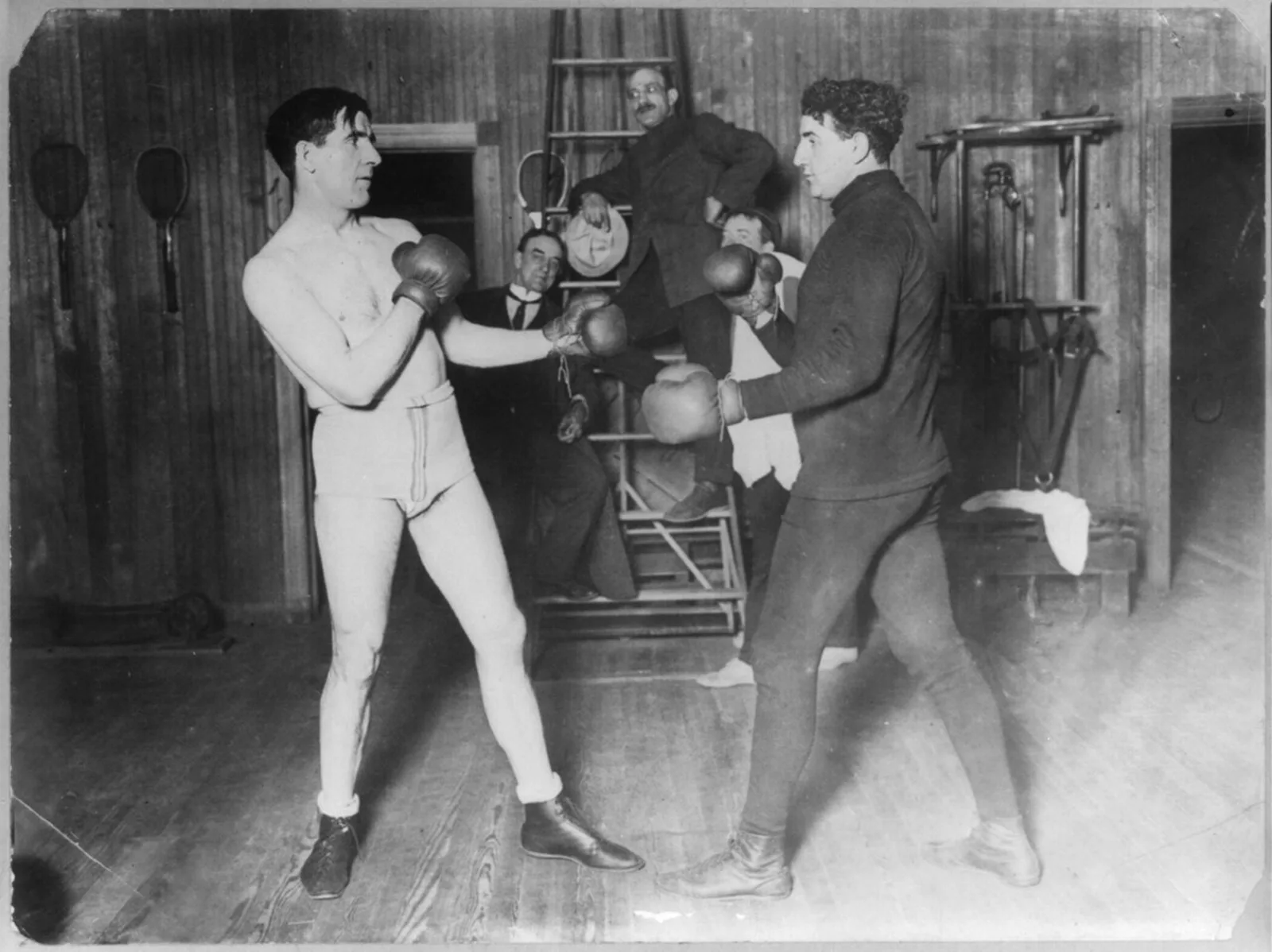
Pick one fighter and follow only their feet for a round. Then watch the same round again and follow only their lead hand. You’ll see more that way than watching the whole thing three times.
It helps to know roughly what you’re looking for before you start. In the Frazier fight, watch how he cuts the ring off rather than chasing. In the Foreman fight, count how often Ali actually throws in the middle rounds, because it’s far less than you’d guess. In Hagler and Hearns, watch the first thirty seconds twice and notice that neither man ever moves his head. In Castillo and Corrales, watch the rounds before the tenth, because the finish only makes sense once you’ve seen how tired they both were going into it.
All four are easy enough to find in full, and none of them needs commentary to follow once you know what you’re watching for.
One thing worth saying about lists like this. The fights everyone names are the dramatic ones, and drama usually means somebody made a mistake. The most technically perfect performances tend to be the dull ones, where a fighter solved the problem so completely that nothing exciting happened. Those are often the better education even though nobody puts them on a list.
Great boxing matches worth an evening
- Ali vs Frazier I, 1971. Pressure, and what it costs to hold someone off.
- Ali vs Foreman, 1974. A plan built around one fact about the opponent.
- Hagler vs Hearns, 1985. Eight minutes with no defence, and why that’s rare.
- Castillo vs Corrales, 2005. What conditioning actually buys you.
Three of these four fighters turn up again in our piece on the best boxers ever, this time judged by the record rather than by a single night. None of the four above made the cut for the sport’s biggest nights by scale, which is a different question entirely. Our piece on the biggest boxing fights covers the record gates, the record pay-per-view buys, and the nights the money and the hype outran the fight itself. If it’s specifically Hispanic boxing history you’re after, our list of famous Hispanic boxers covers five more careers built the same way, on record rather than reputation.
If you’re training as well as watching, our guide to what to wear for boxing covers the first session, boxing training at home covers the weeks in between, and once you’re ready to step into the ring yourself, amateur boxing fights covers what a first bout actually looks like. The Essentials range is what you’d wear watching.
Common questions
What is the greatest boxing match of all time?
There's no settled answer, because every ranking is somebody's opinion. Hagler against Hearns in 1985 took Fight of the Year from both The Ring and KO Magazine, and its first round is widely called the best single round the sport has produced.
Which boxing matches should a beginner watch?
Ali against Frazier in 1971 for pressure, Ali against Foreman in 1974 for tactics, Hagler against Hearns in 1985 for what happens without defence, and Castillo against Corrales in 2005 for conditioning.
How do you watch a boxing match to learn from it?
Pick one fighter and follow only their feet for a round, then watch the same round again and follow only their lead hand. You'll see more than watching the whole fight three times.